Laser Engraving Machine for Glasses: Applications & Benefits
Laser engraving brings permanent, high-precision marking to eyewear production — from brand logos on temple arms to anti-counterfeit codes on optical lenses. Unlike pad printing or sticker labeling, laser marks do not fade, peel, or wear off with daily use, and they can be applied to both plastic and metal frames without contact damage.
This guide covers what laser engraving can do for glasses and eyewear, which materials and machine types work best, and the key advantages for manufacturers and custom eyewear shops.
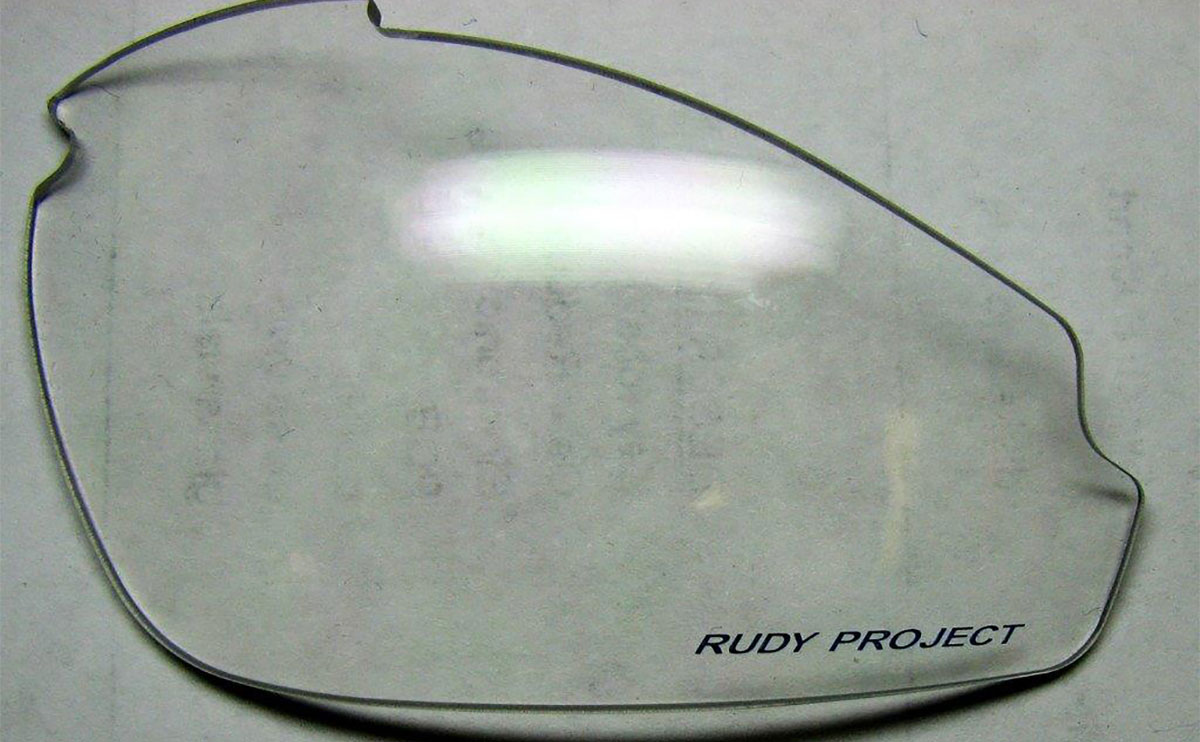
Common Applications in Eyewear Production
1. Temple Arm Marking
This is the most widespread use. Laser engraving adds permanent text and logos to the inside or outside of eyeglass temples:
- Brand logo and trademark
- Model number, size code, and color code
- CE / FDA compliance markings
- Custom customer names or initials for personalized orders
The laser produces sharp, 0.01 mm-precision text even on thin, curved temple surfaces.
2. Lens Marking & Anti-Counterfeit Codes
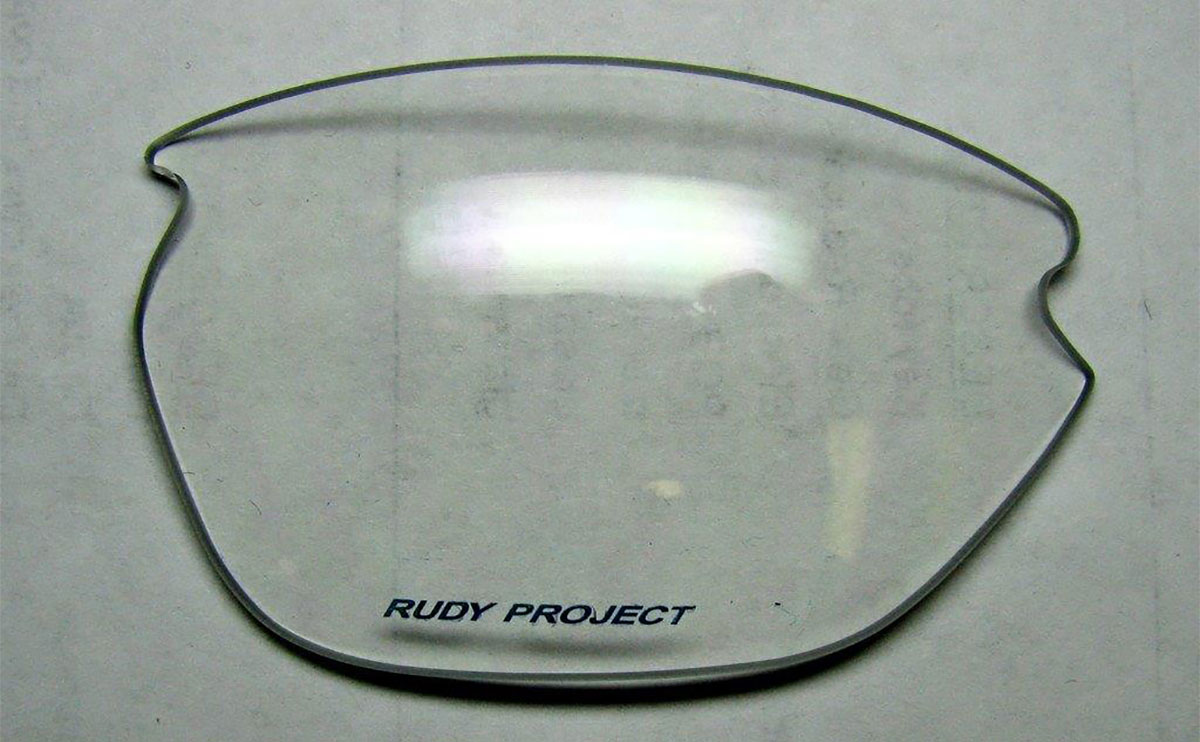
For optical lenses and sunglass lenses, laser marking applies invisible or subtle visible marks without affecting optical performance:
- Anti-counterfeit micro-codes and QR codes for brand protection
- Lens power, refractive index, and coating specifications
- Progressive lens alignment marks
- Brand watermarks on premium lenses
Low-power fiber or CO2 lasers mark the lens surface without creating distortion or visual obstruction.
3. Frame Decoration & Custom Engraving
Premium and custom eyewear brands use laser engraving for decorative patterns:
- Intricate patterns on acetate and cellulose acetate frames
- Texture engraving on metal temple arms
- Limited-edition designs and artist collaborations
- Personalized monograms for bespoke orders
Laser engraving produces clean, consistent detail that cannot be achieved by hand etching.
4. Sunglasses & Safety Eyewear Marking
For sunglasses, sports goggles, and industrial safety glasses:
- UV protection and ANSI Z87.1 compliance marks
- Batch and production traceability codes
- Brand logos on lenses and frames
- Custom team or event branding
Suitable Materials & Matching Laser Types
Different eyewear materials require different laser sources:
| Material | Common Uses | Recommended Laser Type |
|---|---|---|
| Acetate / cellulose acetate | Premium plastic frames | CO2 laser (30–60W) |
| TR90 / PC plastic | Sports and lightweight frames | CO2 laser |
| Stainless steel | Metal frames and hinges | Fiber laser (20–50W) |
| Titanium / titanium alloy | High-end eyewear | Fiber laser |
| Aluminum magnesium | Budget metal frames | Fiber laser |
| Optical resin / CR-39 lenses | Prescription lenses | Low-power CO2 or green laser |
| Polycarbonate lenses | Sunglasses, safety glasses | Fiber laser (surface marking) |
Key Advantages for Eyewear Manufacturing
Permanent, Wear-Resistant Marks
Pad printing and hot stamping wear off with skin contact, sweat, and cleaning. Laser marks are embedded into the surface and last the lifetime of the product.
High Precision on Small, Curved Surfaces
Eyewear parts are small and often curved. Laser systems with rotary attachments and vision positioning produce consistent marks even on curved temple arms and lens edges.
No Contact, No Tooling Wear
There is no physical contact with the part, so there is no risk of scratching, clamping damage, or tool wear. Setups change between models in seconds.
Fast & Scalable
A standard temple mark takes 1–3 seconds. Automated feed systems can mark hundreds of pairs per hour, making laser engraving suitable for both small custom shops and high-volume production lines.
Reaying Machines for Eyewear Engraving
Reaying offers laser machines matched to different eyewear production needs:
- Fiber Laser Marking Machine F20A — for metal frames, hinges, and metal temple arms; 20W / 30W / 50W options
- CO2 Laser Engraving Machine L640 — for acetate and plastic frames, small-batch custom engraving
- Automatic Laser Marking Machine with Vision — for high-volume production lines with CCD vision positioning
For custom rotary engraving on curved frames, ask about rotary attachment options.
Related Reading
- What Materials Can a Laser Engraving Machine Engrave?
- How to Find the Focus of a Laser Marking Machine
- CO2 vs Fiber Laser: What’s the Difference?
Contact Reaying for a recommendation based on your frame material and production volume.
Frequently Asked Questions
Will laser engraving damage eyeglass lenses?
No, when set to the correct low power parameters. Laser marking applies a surface mark without penetrating or distorting the optical surface. Always test on scrap lenses first to confirm settings.
Can you engrave both plastic and metal glasses frames?
Yes, but you need the right laser source. CO2 lasers work on acetate and plastic; fiber lasers work on stainless steel, titanium, and other metals. Many eyewear factories use both.
How small can text be engraved on glasses?
With a standard fiber laser, legible text can be as small as 0.3 mm in height. For most temple markings, 0.8–1.5 mm text is standard.
Can laser engraving be removed from glasses?
No. The mark is permanently embedded into the material surface. It cannot be polished or washed off.
How long does it take to engrave a pair of glasses?
A standard temple logo and model number takes 2–5 seconds per side. Full-frame decorative engraving takes 30–60 seconds depending on pattern complexity.
Can I engrave prescription lenses with power markings?
Yes. Low-power laser marking applies surface identification marks without changing the lens curvature or optical properties. This is standard practice in optical lens manufacturing.
Need Help!!!
Categories
Recent Post

Tag Cloud
About Reaying
Shandong Reaying Machinery Co., Ltd. is one of the leading laser machine manufacturers around the world since 2008 with a registered capital of 3 million yuan. It is a high-tech enterprise focusing on R&D...
Read More