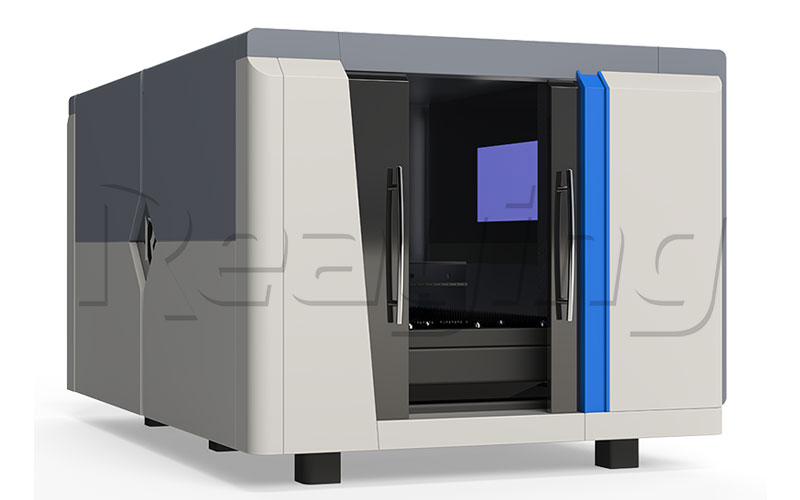
What Is a VMC650 Vertical Machining Center?
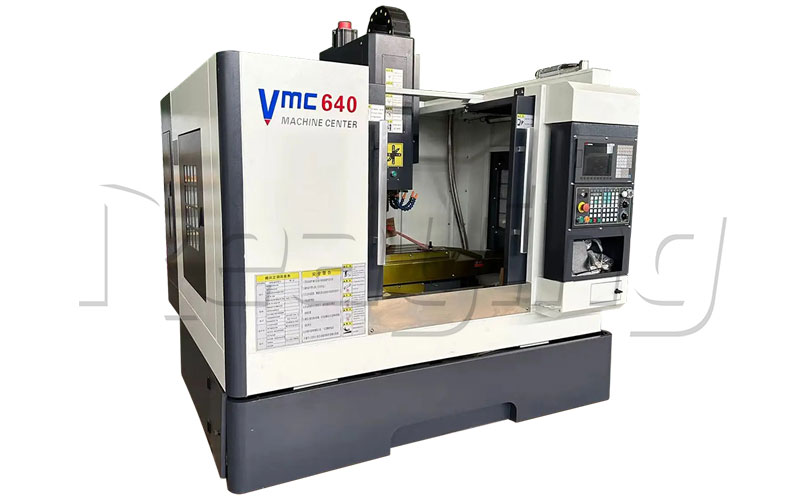
A vertical machining center is a CNC machine tool used for machining parts with operations such as milling, drilling and tapping. The spindle is arranged vertically, allowing suitable cutting tools to approach the workpiece from above.
A VMC650 is identified by its model designation. The name alone, however, does not provide enough information to determine the machine’s complete working capacity or performance.
Before selecting a VMC650, manufacturers should confirm the machine’s official technical specifications and final configuration. These details are important because different machining tasks require different working ranges, spindle characteristics, tooling arrangements and process settings.
For example, a machine intended for small mechanical parts may have different requirements from one used for larger workpieces or more demanding machining operations.
The most useful starting point is therefore to define the parts you need to produce and then compare those requirements with the machine specification.
What Machining Operations Can a VMC650 Perform?
The current article positions the VMC650 around milling, drilling and tapping. The suitability of each operation depends on the workpiece, tooling, machine configuration and machining program.
Milling
Milling uses a rotating cutting tool to remove material from a workpiece. Depending on the available machine travel and tooling, milling operations may be used to produce flat surfaces, slots, pockets and other features.
Before choosing a machine, confirm that the working area and axis travel are sufficient for the parts you intend to machine.
Drilling
Drilling creates holes in a workpiece using a suitable drill and machining program.
The required hole diameter, depth, position and dimensional tolerance should be considered when determining the necessary machine configuration and tooling.
Tapping
Tapping produces internal threads in prepared holes.
The suitable process depends on thread specifications, workpiece material, tool selection and the CNC control functions available on the machine. Confirm that the proposed configuration is appropriate for the threads and production volume required.
Combined Machining Operations
When a part requires multiple operations, completing them in a coordinated setup may reduce repeated workpiece handling.
Whether several operations can be performed efficiently in one setup depends on the part geometry, tooling, workholding and machine capability. Confirm the required process with representative drawings or sample parts.
What Parts Can a VMC650 Machine?
A vertical machining center may be considered for a range of metal component applications. The appropriate application depends on the machine’s actual working capacity and the part specifications.
Mold and Die Components
Mold and die work can involve pockets, flat surfaces, drilled holes and other features that require controlled machining.
Before selecting a VMC650 for this type of work, check the dimensions of the mold components, the required machining operations and the tolerances that need to be maintained.
The necessary spindle and tooling configuration should be evaluated against the specific mold material and machining process.
Automotive Components
Automotive manufacturing involves many different kinds of metal components. The suitability of a vertical machining center depends on the geometry, material, dimensional requirements and production volume of the parts.
For repeated production, buyers should also consider workholding, tool changes, inspection procedures and the time required to complete each machining cycle.
Mechanical Parts and Hardware
Mechanical components may involve flat surfaces, holes, pockets and threaded features.
A VMC650 may be worth evaluating for these parts when its travel range, worktable capacity and machining functions match the workpieces.
Prepare representative drawings before purchase so that the machine configuration can be assessed against the real manufacturing requirements.
Prototypes and Customized Parts
Prototype work and customized orders often involve frequent changes in geometry, tooling and machining programs.
For these applications, consider how the selected CNC system fits the existing programming workflow and how easily the machine can be prepared for different jobs.
The actual benefits depend on the machine configuration and the experience of the operators.
What Specifications Should You Check Before Buying a VMC650?
The model designation is not a substitute for the technical specification sheet. Buyers should confirm the following information for the exact machine being quoted.
Worktable Size and Axis Travel
Check the worktable dimensions and the available X-, Y- and Z-axis travel.
These specifications determine whether the machine can accommodate the workpiece and reach all the required machining features.
The maximum part size should not be evaluated from one dimension alone. Workpiece height, fixture size, tool length and clearance around the spindle may also affect whether a part can be machined as planned.
Maximum Workpiece Weight
Confirm the maximum workpiece weight permitted by the machine specification.
Include the weight and arrangement of any fixture or workholding equipment when discussing the proposed setup with the supplier.
Spindle Speed, Power and Taper
Spindle characteristics affect the tools and machining processes that can be used.
When evaluating the VMC650, request the official spindle speed range, rated power, torque information where available and spindle taper.
These specifications should be matched to the materials, cutting tools and operations required by your production.
CNC Control System
The CNC control system affects program preparation, machine operation and compatibility with the workshop’s existing procedures.
Confirm the control system supplied with the machine and whether the required programming functions are supported.
Operators should also receive the documentation and training needed to use the selected system correctly.
Tool Magazine and Tool-Changing Configuration
If the machine is supplied with an automatic tool changer, confirm the magazine capacity, compatible tools and any limitations relevant to your work.
Optional equipment should be listed clearly in the quotation. Do not assume that a tool magazine, chip conveyor or through-spindle coolant is included unless the supplier confirms it for the exact configuration.
Positioning Accuracy and Repeatability
Accuracy specifications are important when machining parts with defined dimensional requirements.
Ask the supplier to provide the official positioning accuracy and repeat-positioning accuracy for the model being quoted, together with the applicable test conditions.
Do not rely on an accuracy value taken from another VMC model. For critical applications, use a representative machining test to assess the finished part against the drawing.
Cooling and Chip Removal
Coolant and chip removal arrangements should match the machining process and the materials being processed.
Ask which cooling system and chip-removal components are included, and which are optional. The appropriate configuration depends on the intended operations and the machine design.
How to Match a VMC650 to Your Production Requirements
Choosing a machine becomes easier when the decision starts with real workpieces instead of general performance claims.
Define Your Workpiece Dimensions
Prepare the length, width and height of the parts to be machined. Include the dimensions of any fixture and identify the features that need to be reached by the cutting tool.
Use the largest representative workpiece when checking whether the machine’s travel and working area are sufficient.
Identify the Required Operations
List the milling, drilling and tapping operations that each part requires.
For complex workpieces, provide drawings showing the critical features and dimensions. This enables the supplier to assess whether the proposed configuration is suitable for the intended process.
Specify the Material and Tolerance Requirements
Identify the workpiece material and the dimensional requirements that need to be achieved.
Do not assume that a machine can process every steel grade, titanium alloy or hardened material just because it is a vertical machining center. Confirm the suitability of the machine, spindle and tooling for the actual application.
Estimate Your Production Volume
Consider how many parts you expect to produce, the frequency of job changes and the time available for setup.
Production volume can influence the importance of tooling arrangements, automated tool changes, workholding and other optional equipment.
Confirm the Final Machine Configuration
Before ordering, obtain a written specification showing the model, working dimensions, spindle, CNC control, tooling configuration, included accessories and optional equipment.
This helps ensure that the quoted machine matches the production requirements discussed with the supplier.
How a Vertical Machining Center Fits into the Workshop Workflow
The machine is only one part of the overall manufacturing process. Preparation, setup, machining, inspection and downstream operations all influence the production outcome.
1. Prepare the Drawing and Machining Program
Verify the part drawing, material and critical dimensions before preparing the program.
Check that the selected tools and machining sequence are appropriate for the required features.
2. Set Up the Workpiece and Fixture
Position and secure the workpiece using a suitable workholding arrangement.
Confirm that the fixture provides the required access for the cutting tools and that there is adequate clearance for the intended machining sequence.
3. Verify Tools and Parameters
Check tool selection, cutting parameters and the machining program before production.
For a new part, a controlled test run can help identify problems before processing the full batch.
4. Inspect the Finished Part
Measure the features that are important to the drawing, including dimensions, hole positions and threaded features where applicable.
If the result does not meet the required specifications, investigate the cause before continuing production.
5. Record and Standardize the Process
For repeated jobs, maintain suitable records of the approved program, tooling setup and inspection requirements.
A documented process can help operators reproduce the intended setup and make it easier to identify changes when machining results vary.
How to Evaluate Machining Efficiency
Efficiency should be evaluated using actual production results, rather than a general claim that a machine is faster or more profitable.
For a representative part, record:
-
Setup time before machining
-
-
Tool changes and operator handling
-
Number of acceptable parts produced
-
Inspection and finishing requirements
-
Material waste and rejected parts
-
Interruptions caused by tooling or machine issues
Compare these results with your existing process under comparable conditions.
The outcome depends on the part geometry, material, tooling, machine configuration and production method. A suitable test gives a more useful basis for judging whether the machine fits the workshop than an unsupported percentage improvement.
Operation and Maintenance Considerations
A consistent machining process also depends on correct operation and maintenance.
Operators should follow the manufacturer’s instructions for machine startup, workholding, tool setup, program checks and safe operation.
Routine inspections should follow the requirements for the actual machine configuration. These may include checking lubrication, coolant, tooling, chip accumulation and the condition of relevant machine components.
Maintenance procedures and intervals should come from the machine documentation rather than being assumed to be identical for every vertical machining center.
Training is also important when introducing a new CNC control system or changing the machine configuration.
Reaying VMC650 Vertical Machining Center
When evaluating the Reaying VMC650, begin with the workpieces and operations you need to complete. Confirm the required working area, axis travel, spindle specifications, CNC system, tooling arrangement and accuracy requirements with the official machine specification.
For applications involving mold components, automotive parts, mechanical components or prototypes, the suitability of the proposed configuration should be assessed against the actual drawings and machining requirements.
Where accuracy or surface quality is critical, request a representative machining test and inspect the finished part against the agreed requirements.
For the final quotation, confirm the exact model and all included and optional equipment in writing. This is particularly important when comparing different vertical machining center configurations.
If you are also comparing related models, you can review Reaying’s RY-VMC640 vertical machining center. This is a separate model page, so confirm the VMC640 and VMC650 specifications independently before choosing between them.
What Information Should You Prepare Before Requesting a Quotation?
To help evaluate whether a VMC650 configuration fits your production, prepare the following:
-
Part drawings and dimensions
-
-
Required milling, drilling and tapping operations
-
Dimensional tolerances and surface requirements
-
Expected production volume
-
Preferred CNC control system, if applicable
-
Tooling, workholding and accessory requirements
-
Any workshop space or installation constraints
Providing this information helps the supplier assess the intended application and clarify which machine configuration needs to be quoted.
Conclusion
The VMC650 vertical machining center should be evaluated according to the machining operations, workpiece dimensions, materials and production requirements it needs to handle.
Key selection factors include the working area, axis travel, spindle specifications, CNC control, tooling arrangement, accuracy requirements and the accessories included in the final configuration.
Instead of relying on broad claims about precision or efficiency, use the official technical specification and test representative workpieces wherever practical.
A clear comparison of the machine configuration and the actual production task provides a better basis for determining whether the VMC650 is suitable for your workshop.
Need Help Choosing a Vertical Machining Center?
Have a workpiece or machining process that you need to evaluate?
Prepare your part drawings, material details, dimensional requirements and expected production volume. Reaying can use this information to discuss the appropriate vertical machining center configuration for your application.
Contact Reaying to discuss your CNC machining requirements.