This guide covers what laser cleaning can do, what it cannot do, how it compares with traditional cleaning methods, and which machine type fits each job.
How Laser Cleaning Works
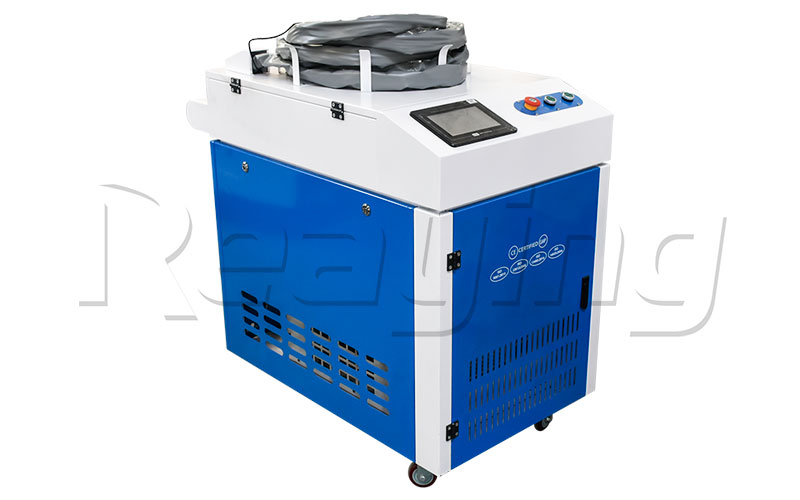
A fiber laser cleaning machine directs a high-frequency laser beam at the surface. The contamination — rust, paint, or oil — absorbs the laser energy, heats up quickly, and vaporizes or delaminates. The base metal tolerates the chosen parameters and is not damaged.
Two common configurations:
- Pulsed laser cleaning (100W–500W): precise, low heat input; ideal for delicate parts, molds, and heritage restoration
- Continuous handheld cleaning (1000W–3000W): fast material removal; ideal for large-area rust and paint stripping
What Laser Cleaning Can Do
1. Rust Removal on Steel Manufacturing
Moisture turns iron into ferrous oxide (rust), and heat treatment forms oxide layers that discolor surfaces and block further finishing. Laser cleaning removes both, restoring the surface before painting, coating, or machining.
2. Anode Parts Cleaning
Dirt and contamination on anodes increase electrical resistance and accelerate wear. Laser cleaning keeps anode surfaces clean, lowering resistance and extending service life.
3. Pre-Weld Surface Preparation
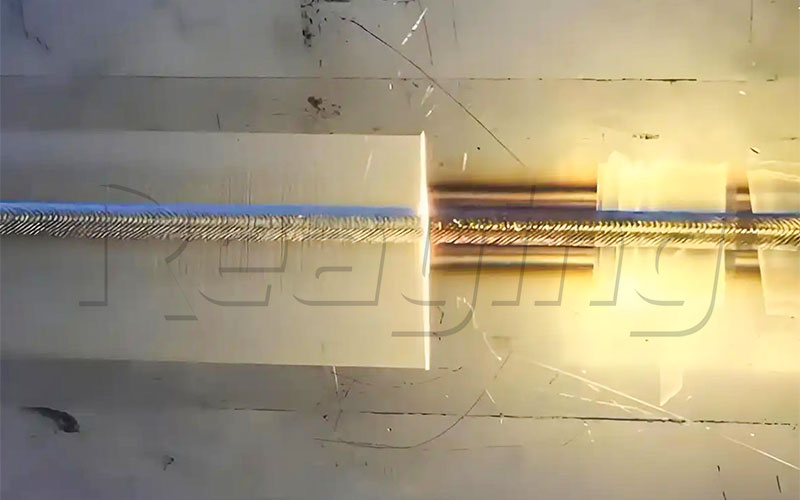
Before welding, laser cleaning removes oil, oxide, and contamination from the joint area. Clean surfaces produce stronger, more consistent welds and fewer defects.
4. Pre-Brazing Treatment
Laser cleaning removes lubricants and oxides from ferrous and non-ferrous surfaces, producing smooth, porosity-free brazed seams.
5. Partial Coating Removal
Laser cleaning strips paint, anodized layers, and organic coatings while leaving the substrate intact — widely used in automotive repair and refinishing.
6. Selective Paint Removal
Precisely controlled laser parameters strip paint only from targeted areas — door edges, weld spots, repair zones — without touching surrounding panels.
What It Can’t Do (and Where It Struggles)