Advantages of Laser Cleaning Over Traditional Cleaning
For decades, industrial surface cleaning relied on sandblasting, chemical solvents, and hand scraping. Laser cleaning is a newer, non-contact method that removes rust, paint, oxide, and oil with a focused laser beam — no abrasives, no chemicals, no messy cleanup.
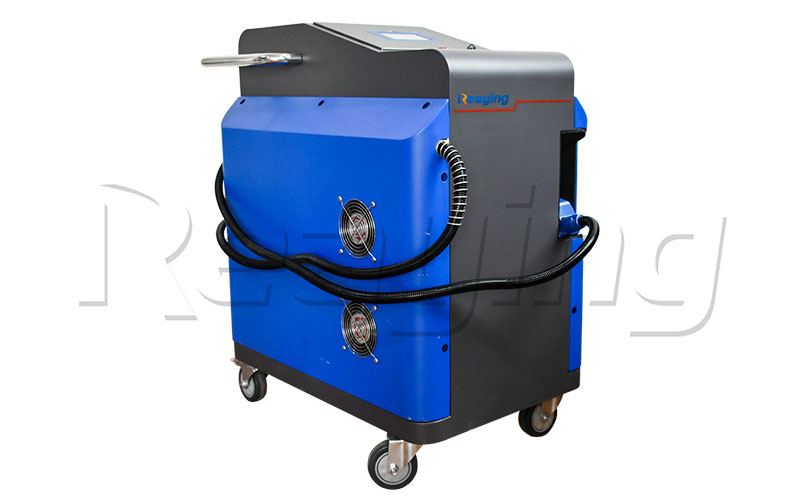
This guide breaks down the key advantages of laser cleaning, how it compares side by side with traditional methods, and when each method makes the most sense.
Core Advantages of Laser Cleaning
1. No Consumables, Lower Long-Term Cost
Traditional methods burn through consumables: sandblasting uses tons of abrasive grit, chemical cleaning uses disposable solvents, and wire brushes wear out quickly. A laser cleaning machine has almost no recurring consumables. The only regular replacement is the protective lens every 1–3 months. Over 2–3 years of production use, operating cost is significantly lower than methods that require ongoing material purchases.
2. Zero Chemical Waste & Environmental Compliance
Chemical cleaning produces hazardous liquid waste that requires special disposal, permits, and reporting. Sandblasting generates dust and spent grit that must be contained and hauled away. Laser cleaning produces only vaporized contamination, which is captured by a simple exhaust filter. There are no chemical spills, no grit runoff, and no hazardous waste streams — making it much easier to meet environmental regulations.
3. Precise, Selective Cleaning
Sandblasting and chemical stripping clean the entire surface at once. Masking takes extra time and still often bleeds under edges. Laser cleaning can target exactly the area you want — a weld seam, a rust spot, a paint patch — without touching surrounding material. This makes it ideal for repair work, heritage restoration, and selective coating removal.
4. Minimal Substrate Damage
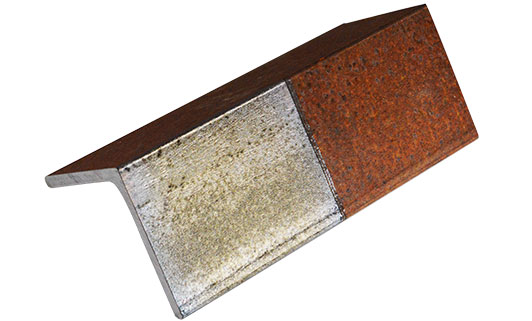
Abrasive blasting can etch, warp, or thin the base metal, especially on thin sheets. Chemicals can pit or discolor sensitive alloys. With correctly set parameters, laser cleaning removes only the surface contamination and leaves the underlying metal completely intact. There is no abrasive wear and no chemical etching.
5. Faster Setup & Cleanup
Sandblasting requires masking, containment tents, grit recovery, and full post-cleanup. Chemical cleaning needs soaking tanks, rinsing stations, and waste handling. A handheld laser cleaner is ready to work in minutes. There is no grit to haul, no solvents to mix, and no parts to dry after cleaning. The job finishes when the laser stops.
6. Safe for Operators (When Used Correctly)
Sandblasting risks silicosis from dust inhalation. Chemical cleaning exposes workers to fumes and skin burns. Laser cleaning with proper exhaust and laser safety glasses eliminates those hazards. There is no airborne grit, no chemical contact, and no high-pressure spray rebound.
Side-by-Side Comparison
| Factor | Laser Cleaning | Sandblasting | Chemical Cleaning | Hand Scraping / Wire Brush |
|---|---|---|---|---|
| Consumables | Almost none (protective lens only) | High (abrasive grit, nozzles) | High (solvents, PPE) | Medium (brushes, discs) |
| Waste produced | Minimal (filtered vapor/dust) | High (spent grit + dust) | High (hazardous liquid waste) | Low (debris) |
| Substrate damage | Minimal (correct parameters) | Can warp or etch thin metal | Can pit or discolor metal | Inconsistent, can gouge |
| Selectivity | Excellent (targeted areas) | Poor (whole surface) | Poor (whole surface) | Fair (manual control) |
| Setup & cleanup time | Short | Long (containment + grit) | Long (tanks + rinsing) | Short |
| Operating cost per year | Low | Medium-High | High | Low (but slow) |
| Best for | Precision, selective cleaning, thin metal | Heavy corrosion, large areas | Heavy grease, bulk stripping | Small jobs, touch-up |
When Traditional Methods Are Still Better
Laser cleaning is not always the answer. These cases are usually better served by traditional methods:
- Heavy, thick rust over 1 mm on large steel structures: Sandblasting is faster and cheaper per square meter.
- Bulk paint stripping from large castings: Chemical dipping can strip an entire part in one batch.
- Very low-budget, occasional use: A wire brush or angle grinder costs almost nothing up front.
For regular production cleaning, precision work, or environments with strict environmental rules, laser cleaning almost always comes out ahead over the long run.
Reaying Laser Cleaning Solutions
Reaying manufactures handheld and pulsed fiber laser cleaning machines for industrial surface preparation:
- Handheld Fiber Laser Cleaning Machine (1000W–3000W) — for general rust, paint, and oxide removal on production parts
- Pulsed Laser Cleaning Machine (100W–500W) — for precision mold cleaning, heritage restoration, and delicate parts
- 3-in-1 Laser Welding, Cleaning & Cutting Machine — for fabrication shops that need welding and seam cleaning in one tool
Related reading:
- What Can a Laser Cleaning Machine Do?
- Large-Area Rust Removal by Laser Cleaning Machine
- What Industries Are Laser Cleaning Machines Suitable For?
Frequently Asked Questions
Is laser cleaning cheaper than sandblasting?
Up front, no — a laser machine costs more than a sandblaster. Over 2–3 years of regular use, yes — no grit consumables, less labor, and no waste disposal cost bring the total cost of ownership lower.
Does laser cleaning replace sandblasting?
For precision work, thin metal, and selective cleaning, yes. For heavy corrosion on very large surfaces like ship hulls, sandblasting is still faster and more economical. Most shops end up using both.
Is laser cleaning better than chemical cleaning?
Almost always. Laser cleaning is faster, produces no hazardous waste, and does not etch or discolor the base metal. The only exception is bulk stripping of very large, heavy parts where chemical dipping is more practical.
How long does a laser cleaning machine last?
The fiber laser source typically lasts 100,000+ hours (10+ years of normal production use). There are very few moving parts, so maintenance is minimal.
Is laser cleaning safe for operators?
Yes, with proper safety equipment. Operators must wear wavelength-matched laser safety glasses, and the work area needs local exhaust to capture vapor and dust. Class 4 laser safety procedures should be followed.
Can laser cleaning remove thick rust?
Yes, but very heavy scale (over 1 mm) may require multiple passes. For extremely thick corrosion on large structures, sandblasting is usually faster as a first step, followed by laser for final surface preparation.
Need Help!!!
Categories
Recent Post

Tag Cloud
About Reaying
Shandong Reaying Machinery Co., Ltd. is one of the leading laser machine manufacturers around the world since 2008 with a registered capital of 3 million yuan. It is a high-tech enterprise focusing on R&D...
Read More