Fiber Laser Welding Machine: What to Consider Before Buying
Choosing a fiber laser welding machine involves more than comparing laser power and price. Before purchasing a machine, buyers should consider the materials to be welded, required welding quality, production speed, machine operation, maintenance, and technical support.
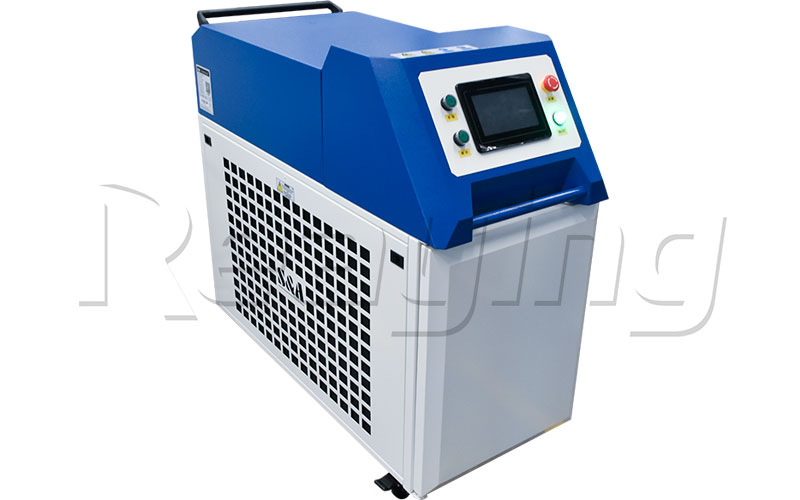
A fiber laser welding machine can be used for different metal processing requirements, but the right configuration depends on the actual application. Understanding the main factors before buying can help you choose a machine that fits your production needs.
What Should You Consider When Choosing a Fiber Laser Welding Machine?
Several factors should be considered before purchasing a fiber laser welding machine.
Welding Precision and Quality
Welding quality is an important consideration when working with metal components that require clean and consistent welds.
The machine should provide stable welding performance for the materials and applications you plan to process. Before making a purchase, it is useful to test your actual materials and welding requirements rather than choosing a machine based only on a general specification.
The welding result can also depend on the selected parameters and the specific material thickness, so proper setup and testing are important.
Welding Speed and Production Efficiency
Production speed is another important factor for manufacturers.
Compared with traditional welding methods, fiber laser welding can be considered when a production line requires efficient welding and consistent processing. However, the actual welding speed depends on the material, thickness, joint design, laser power, welding parameters, and machine configuration.
For this reason, buyers should evaluate the machine based on their actual production requirements instead of relying only on a published speed figure.
Material Compatibility
The materials that need to be welded should be confirmed before selecting a machine.
The original Reaying article discusses applications involving metals such as:
- Stainless steel
- Aluminum
- Copper
Different metals can respond differently to laser welding, so material testing is an important part of the selection process.
When requesting a quotation, provide the supplier with the material type, material thickness, joint requirements, and expected welding result. This allows the machine configuration and welding parameters to be evaluated for the specific application.
Operation and User Training
A laser welding machine is a professional piece of equipment, so operators need to understand how to use the system correctly.
The original Reaying article emphasizes operator training, instructional materials, and technical support. For buyers who are new to fiber laser welding, training resources can make the initial setup and operation easier.
Before purchasing, it is worth confirming what training materials and technical guidance are included with the machine.
Installation and Machine Setup
Machine installation is another part of the purchasing process that should not be overlooked.
After receiving a fiber laser welding machine, users need to complete the required setup and prepare the system for operation. Clear installation instructions and technical guidance can help reduce problems during the initial setup.
The installation process may also involve connecting the machine to its supporting equipment and configuring the operating system according to the machine specification.
Before placing an order, buyers should confirm the installation requirements and what support is provided by the supplier.
How to Maintain a Fiber Laser Welding Machine
Regular maintenance is still necessary even when using a modern fiber laser welding machine.
The original article specifically mentions:
- Cleaning the optics
- Regularly checking optical components
- Keeping the machine clean
- Following maintenance guidelines
These basic maintenance tasks should become part of normal machine operation. Keeping optical components clean is particularly important because contamination can affect laser processing.
The exact maintenance requirements should always follow the instructions for the specific machine and laser system.
Technical Support and Spare Parts
Technical support is another factor worth considering before buying a fiber laser welding machine.
When a machine is used in production, operators may need assistance with:
- Machine operation
- Welding settings
- Maintenance
- Troubleshooting
- Spare parts
- Accessories
A supplier that provides technical documentation, training materials, spare parts, and technical assistance can make machine operation easier after installation.
For international buyers, it is also useful to confirm how remote technical support and spare-parts supply are handled before placing an order.
What Should You Test Before Buying?
A machine should be evaluated using the materials and welding requirements that are actually used in production.
Before making a final decision, prepare sample materials and provide information such as:
- Material type
- Material thickness
- Joint type
- Required weld appearance
- Production requirements
A sample welding test can provide more useful information than comparing machine specifications alone. It allows buyers to evaluate whether the machine and welding process are suitable for their specific application.
Why Choose a Fiber Laser Welding Machine?
Fiber laser welding is an option for manufacturers looking for a laser-based solution for metal welding applications.
The potential advantages discussed in the original Reaying content include welding precision, processing efficiency, material flexibility, and a relatively straightforward operating process. At the same time, machine selection still needs to take the actual material, thickness, welding requirements, and production environment into account.
The goal should not simply be to select the highest-power machine. The better approach is to match the machine configuration to the work that needs to be done.
Reaying Fiber Laser Welding Machine
Reaying offers fiber laser welding machines for metal welding applications. Its current product range includes handheld fiber laser welding machines, with models and power options depending on the machine configuration.
For example, the RY-LW1000 Handheld Fiber Laser Welding Machine is one of Reaying’s handheld fiber laser welding models. The product page lists 500W, 800W, 1000W and 1500W options and identifies Raycus as the laser source. The stated welding thickness range on that page is 0.5–5 mm.
When selecting a machine, the final configuration should be based on the customer’s actual material, thickness, welding requirements, and production conditions.
Conclusion
Choosing a fiber laser welding machine should start with the application rather than the machine price alone.
Material type, material thickness, required weld quality, production speed, operator experience, maintenance, installation, technical support, and spare-parts availability should all be considered before purchasing.
Testing the actual materials and discussing the application with the machine supplier can help determine whether a specific fiber laser welding machine is suitable for your production requirements.
Need Help Choosing a Fiber Laser Welding Machine?
Contact Reaying to discuss your material, thickness, welding requirements, and machine configuration.
Need Help!!!
Categories
Recent Post

Tag Cloud
About Reaying
Shandong Reaying Machinery Co., Ltd. is one of the leading laser machine manufacturers around the world since 2008 with a registered capital of 3 million yuan. It is a high-tech enterprise focusing on R&D...
Read More