Laser Cleaning Machine Cost for Rust Removal: What Affects the Price?
Choosing a laser cleaning machine for rust removal involves more than comparing the purchase prices of different machines. The right solution depends on the type of rust or coating to be removed, the material being cleaned, the size of the workpiece and the amount of work that needs to be completed.
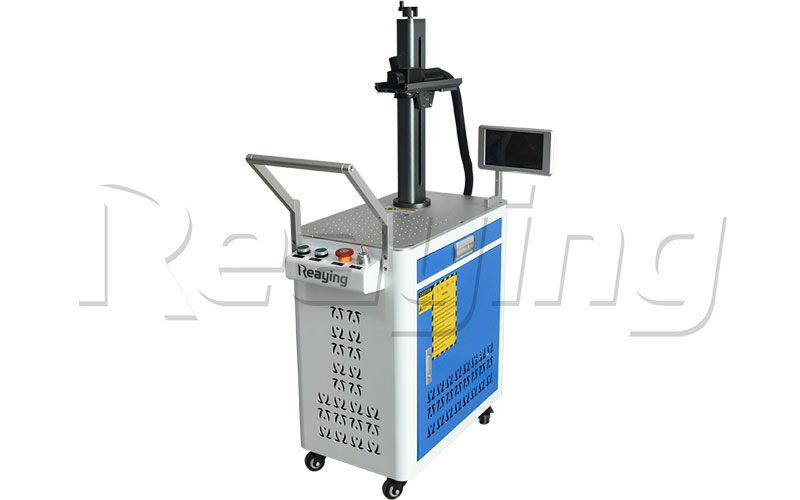
Laser cleaning machines are used for industrial surface treatment, including the removal of rust, paint, oil, grease and oxide layers from metal parts. Depending on the machine configuration and application, they can be considered for mold maintenance, metal fabrication, automotive parts, steel structures and equipment refurbishment.
However, not every cleaning application requires the same laser power or machine configuration. A machine suitable for cleaning smaller components may not be the best choice for large steel structures or heavy rust removal.
This guide explains the main factors affecting laser cleaning machine cost, how to compare operating expenses and what to check before requesting a quotation.
What Determines Laser Cleaning Machine Cost?
There is no single price that applies to every laser cleaning machine. The final cost depends on the equipment configuration and the cleaning task it is designed to handle.
1. Laser Type and Power
Laser type and power are two important factors when comparing cleaning machines.
Lower-power pulsed laser cleaning systems and higher-power continuous handheld systems are designed for different operating requirements. The appropriate option depends on the surface condition, contaminant thickness, cleaning speed and the level of control required.
For example, Reaying lists the RY-CL50 fiber laser cleaning machine with 50W, 60W, 100W and 200W options. Its continuous handheld cleaning machine is listed with 1000W, 1500W and 2000W options.
These are different machine configurations, so buyers should not compare them using wattage alone. The cleaning result on the actual workpiece is more important than choosing the highest available power.
Before selecting a machine, explain the material, rust condition, workpiece dimensions and expected cleaning output to the supplier.
2. Cleaning Area and Scanning Configuration
The cleaning area and scanning configuration can affect how efficiently a machine handles a particular workpiece.
A job involving small components may require a different setup from a job involving large plates, frames or structural steel. The shape of the workpiece also matters because some surfaces are easier to reach than others.
When comparing machines, ask about the available cleaning width, scanning settings and the practical cleaning speed for your application.
A wider scanning area does not automatically guarantee a better result. The selected parameters must still remove the unwanted layer without creating an unacceptable change to the underlying surface.
3. Handheld, Portable or Automated Configuration
Laser cleaning machines are available in different configurations.
A handheld machine can be useful when operators need to move around a workpiece or clean components in different positions. A more automated setup may be worth evaluating for repeated production work with consistent workpiece dimensions.
The machine structure, working arrangement, fixtures and any additional automation can all affect the final purchase cost.
Before buying, consider where the cleaning will take place, how workpieces will be loaded and whether the operator needs to move the machine between different work areas.
4. Cooling, Accessories and Safety Equipment
The complete machine configuration should be considered, not only the laser source.
Depending on the selected system, buyers may need to consider cooling equipment, optical protection components, cleaning-head accessories, electrical requirements and suitable fume extraction.
Laser cleaning can produce airborne particles or fumes from rust, paint, coatings and other contaminants. The appropriate extraction and protective equipment should be determined from the material being processed and the work environment.
Ask the supplier to clarify which items are included in the quotation and which are optional. This helps prevent a low initial price from being compared with another quotation that includes more equipment.
5. Warranty, Training and Technical Support
After-sales service is another part of the overall purchasing decision.
Before ordering, confirm the warranty terms, operator training, technical support arrangements and availability of replacement parts.
The level of support required depends on the application, the operator’s experience and the complexity of the selected machine. These factors may not change the machine’s initial price dramatically, but they can affect the practical cost of ownership over time.
Laser Cleaning Machine Purchase Price vs. Operating Cost
The purchase price is only one part of the total cost of using a laser cleaning machine.
For an industrial user, the overall cost may include equipment, installation, operator time, electricity, maintenance, protective components and any required extraction system.
It is useful to compare these items before deciding which machine provides the best value for your application.
| Cost item | What to check |
|---|---|
| Initial equipment cost | Laser source, machine configuration and included accessories |
| Installation | Electrical supply, workspace and installation requirements |
| Operator time | Time required to set up and complete each cleaning job |
| Electricity | Power consumption under the intended operating conditions |
| Maintenance | Routine inspection, cleaning and replacement parts |
| Extraction and protection | Equipment required for the specific contaminant and workspace |
| Downtime | Availability of technical support and replacement components |
| Process preparation | Workpiece handling and any finishing required after cleaning |
The relative importance of each item varies by application. A machine used occasionally for maintenance has different operating requirements from one used every day in a production facility.
For that reason, avoid relying on a general claim that laser cleaning always costs less than conventional cleaning. Compare the complete process in your own working conditions.
Laser Cleaning for Rust Removal: What Can It Clean?
Fiber laser cleaning machines can be used to remove rust and other unwanted surface layers from suitable metal workpieces. Depending on the machine and process settings, common applications include rust removal, paint removal, oxide removal, oil and grease removal, and the cleaning of welding residue.
The suitability of laser cleaning depends on the substrate, the contaminant and the required finish.
Rust Removal from Metal Parts
Rust removal is a common application for laser cleaning.
The appropriate configuration depends on the thickness and distribution of the rust, the dimensions of the workpiece and the amount of material that needs to be cleaned.
Light surface rust on a small metal part may require a different process from thick rust on a large steel structure. A supplier should assess these requirements before recommending a particular power level or configuration.
Paint and Coating Removal
Laser cleaning can also be considered for removing paint and certain coatings from metal surfaces.
The result depends on the coating type, coating thickness, substrate and processing parameters. Not every coating or substrate will respond in the same way, so testing is important before the process is used on production parts.
Oil, Grease and Oxide Removal
Some laser cleaning systems are used to remove oil, grease and oxide layers from metal surfaces.
These applications may occur during equipment maintenance, surface preparation or metal fabrication. The correct settings should be established for the actual contaminant and workpiece rather than assumed to be the same for every cleaning job.
Is Laser Cleaning Always the Cheapest Method?
Laser cleaning should be compared with other methods according to the result required, not simply the initial equipment cost.
Depending on the application, conventional methods may include manual abrasion, mechanical cleaning, abrasive blasting or chemical cleaning. Each method has its own equipment, labor, preparation and waste-handling requirements.
Laser cleaning may reduce the need for certain chemicals or abrasive media in suitable applications, but that does not mean every laser cleaning job will be less expensive.
A meaningful comparison should include the following:
- The time required to clean each workpiece
- The number of operators required
- The cost of consumables and replacement components
- The preparation needed before cleaning
- The finishing work required afterward
- The handling and disposal requirements for the existing process
- The purchase, installation and maintenance cost of the new system
For example, a production facility cleaning the same type of part every day may evaluate equipment differently from a maintenance team that cleans different components only occasionally.
The best way to compare the alternatives is to run a representative test and record the actual time, process requirements and finished surface condition.
How to Estimate the Cost Before Buying a Laser Rust Removal Machine
Before requesting a quotation, prepare the information the supplier needs to evaluate your application.
1. Identify the Base Material
Specify whether the workpiece is carbon steel, stainless steel, aluminum, copper or another material.
The substrate matters because the cleaning process needs to remove the contaminant while maintaining an acceptable surface condition.
2. Describe the Rust or Contaminant
Explain whether the surface has light rust, heavy rust, paint, oxide, oil, grease or several layers of contamination.
Photographs can help the supplier understand the condition, but a sample test may still be necessary.
3. Provide Workpiece Dimensions
Include the approximate length, width, shape and weight of the workpiece.
For large structures or complex parts, explain whether the machine will be used in a fixed workspace or moved between different areas.
4. Estimate the Cleaning Volume
Tell the supplier how many parts or how much surface area you expect to clean per shift or per day.
This information helps determine whether a portable handheld machine, a higher-power configuration or an automated solution is worth considering.
5. Define the Required Result
Explain what the surface should look like after cleaning and whether the workpiece will undergo another process, such as welding, painting or assembly.
A clear acceptance standard makes it easier to assess whether a machine test meets your requirements.
6. Confirm the Complete Configuration
Ask the supplier to specify the laser type and power, cleaning head, cooling arrangement, accessories, safety requirements, warranty and after-sales support included in the quotation.
When several suppliers quote for your application, use the same workpiece, contaminant and required result as the basis for comparison.
How to Evaluate the Return on Investment
A laser cleaning machine’s payback period depends on the actual cost of the current cleaning method and the results achieved with the new equipment.
Rather than relying on an estimated saving from a general example, compare your own process before and after a test.
A simple evaluation can use the following approach:
Estimated net operating saving = current cleaning cost − laser cleaning operating cost
The initial investment and other one-time expenses should then be considered separately when estimating how long it may take for the savings to cover the purchase cost.
For a useful comparison, record the labor time, consumables, energy use, waste handling, secondary finishing and output from each process. Keep the test conditions as consistent as possible.
If the laser cleaning process does not meet the required surface quality or production rate, a lower operating cost alone may not make it the right choice.
Safety and Surface Testing Before Production
Laser cleaning is an industrial process and requires appropriate operating controls.
The laser system should be used according to the manufacturer’s instructions, with suitable laser safety measures, protective equipment and workspace controls. Fume extraction should be assessed based on the material being removed, especially when coatings or unknown contaminants are present.
Before using a cleaning machine on valuable or production-critical parts, test a representative sample.
Check whether the process removes the unwanted layer, whether the underlying material remains acceptable and whether the resulting surface is suitable for the next production step.
This test is important because cleaning performance depends on the relationship between the laser settings, the contaminant and the substrate.
Reaying Fiber Laser Cleaning Machine Options
Reaying offers fiber laser cleaning equipment for different metal surface-treatment requirements.
The RY-CL50 fiber laser cleaning machine is listed with 50W, 60W, 100W and 200W options. It is intended for applications such as metal rust, paint, oil and oxide removal. The actual configuration should be selected according to the workpiece and cleaning requirements.
You can view the RY-CL50 fiber laser cleaning machine for its current product details.
For applications involving larger surfaces or heavier cleaning requirements, Reaying also lists a continuous handheld laser cleaning machine with 1000W, 1500W and 2000W options.
These machines are not interchangeable in every application. The appropriate option depends on the material, contamination, required cleaning speed and work environment.
You can also review the complete range of fiber laser cleaning machines to compare available configurations.
What Information Should You Send When Requesting a Quotation?
To receive a useful recommendation, provide the supplier with:
- Photos of the material and its current surface condition
- The type and thickness of rust, paint or other contamination
- Workpiece dimensions and material
- The required cleaning result
- Estimated daily or weekly cleaning volume
- Whether cleaning takes place in a workshop or on site
- Any safety, extraction or production constraints
These details help the supplier evaluate the application and recommend a suitable configuration instead of quoting a machine based only on a general description.
Conclusion
The cost of a laser cleaning machine for rust removal depends on more than laser power or the initial purchase price. The machine type, cleaning head, workpiece size, accessories, maintenance requirements and after-sales support all need to be considered.
The most reliable way to compare machines is to define your actual cleaning task, test representative workpieces and evaluate the complete operating process.
Laser cleaning can be a suitable solution for rust and other surface contaminants in industrial applications, but the right machine must match the substrate, contamination level and required result.
Before making a purchase, compare the complete machine configuration and test the process under conditions similar to your normal production.
Need Help Choosing a Laser Cleaning Machine?
Tell Reaying what material you need to clean, the type of rust or coating involved, the workpiece size and your expected cleaning volume.
These details will help determine which laser cleaning machine configuration is worth evaluating for your application.
Contact Reaying to discuss your industrial laser cleaning requirements.
Need Help!!!
Categories
Recent Post

Tag Cloud
About Reaying
Shandong Reaying Machinery Co., Ltd. is one of the leading laser machine manufacturers around the world since 2008 with a registered capital of 3 million yuan. It is a high-tech enterprise focusing on R&D...
Read More