Fiber Laser Cutting for Metal Fabrication: Workflow and Efficiency
Metal fabrication involves more than cutting a sheet of metal into the required shape. Manufacturers also need to manage material preparation, cutting programs, workpiece handling, edge quality, inspection and the next production step.
When these tasks are not well coordinated, cutting delays and unnecessary rework can affect the entire workflow.
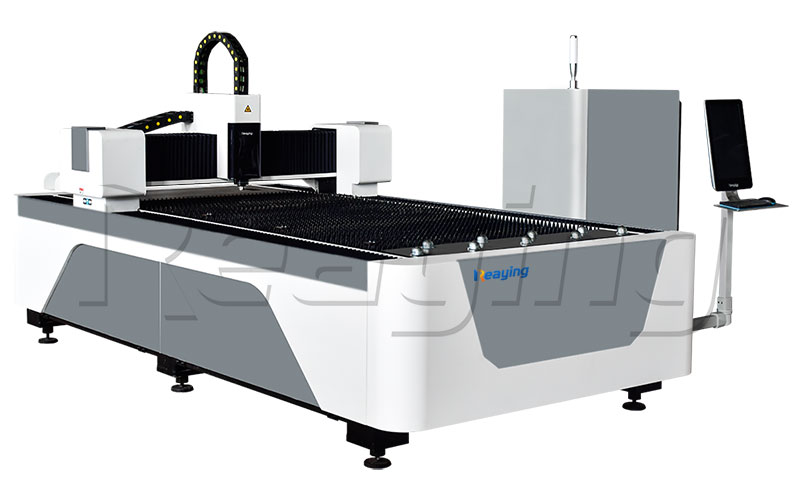
A fiber laser cutting machine can be an option for manufacturers that process metal sheets and need programmable cutting for repeated or customized parts. However, the actual benefits depend on the material, thickness, machine configuration, cutting parameters and production requirements.
This guide explains how fiber laser cutting fits into metal fabrication, which parts of the workflow it can help improve, and what manufacturers should evaluate before selecting a machine.
What Is Fiber Laser Cutting for Metal Fabrication?
Fiber laser cutting uses a focused laser beam to cut material according to a programmed design. In metal fabrication, the technology is commonly used to process sheet materials such as stainless steel, carbon steel and aluminum, depending on the machine configuration.
A typical workflow begins with preparing the material and creating a cutting program. The sheet is then positioned on the machine, the cutting parameters are selected, and the machine follows the programmed cutting path.
After cutting, the parts may need dimensional inspection, edge cleaning or other finishing work before moving to welding, bending, assembly or another production process.
A fiber laser cutting machine is therefore not just a cutting tool. Its suitability should be evaluated as part of the complete manufacturing workflow.
How Can Fiber Laser Cutting Improve Workshop Efficiency?
The main purpose of improving workshop efficiency is to complete the required work with a more predictable process, while maintaining acceptable quality and controlling production costs.
Fiber laser cutting can contribute to this goal in several ways, depending on the job and machine configuration.
1. More Consistent Programmed Cutting
A CNC laser cutting machine follows a prepared cutting program rather than relying entirely on manual cutting movements.
For repeated jobs, a suitable program and machine setup can help produce parts with consistent geometry. This is particularly useful when a production batch contains multiple parts that need to fit together during assembly.
Consistency still depends on the machine condition, workpiece positioning, material, cutting settings and program accuracy. Manufacturers should check the finished parts rather than assume that every programmed cut will meet the required tolerance automatically.
2. Less Unnecessary Finishing Work
The quality of a cut affects the work required after the part leaves the machine.
With appropriate machine configuration and cutting parameters, fiber laser cutting can produce edges that require less additional finishing for suitable applications.
However, the result varies with material type, thickness, laser power, assist gas, cutting speed and the condition of the cutting head.
Before estimating labor savings, test representative parts and record how much edge cleaning, grinding or correction is actually required.
3. Better Coordination Between Cutting Jobs
Programmable cutting makes it possible to prepare and run different cutting jobs according to production requirements.
A workshop can organize the cutting queue by material, thickness, order priority or part family. This can make scheduling easier when the machine is used for both repeat orders and customized components.
The overall benefit depends on how well cutting programs, material preparation and downstream operations are coordinated. A laser machine alone cannot resolve delays caused by missing material, incomplete drawings or a bottleneck in another production process.
4. More Organized Material Use
Material planning is another important part of metal fabrication.
Before a cutting job begins, the manufacturer can arrange the parts on the available sheet and prepare a cutting layout. Appropriate nesting can help reduce avoidable leftover material while maintaining the spacing and cutting requirements needed for the job.
The actual result depends on the sheet dimensions, part geometry, cutting allowance, edge requirements and how the remaining material can be reused.
To assess material efficiency, compare the planned layout with the number of usable parts produced and the remaining material after cutting.
5. Support for Customized Metal Parts
Metal fabrication workshops often process both standard parts and customized designs.
A programmable fiber laser cutting machine can be useful for jobs involving different part outlines, holes, slots and other cut features supported by the machine and cutting program.
For customized orders, manufacturers should check the drawing, material, thickness and required dimensions before production. A small test run can help identify issues before the full batch is processed.
Which Materials Can a Fiber Laser Cutting Machine Process?
Material compatibility should be checked against the specifications of the machine being considered.
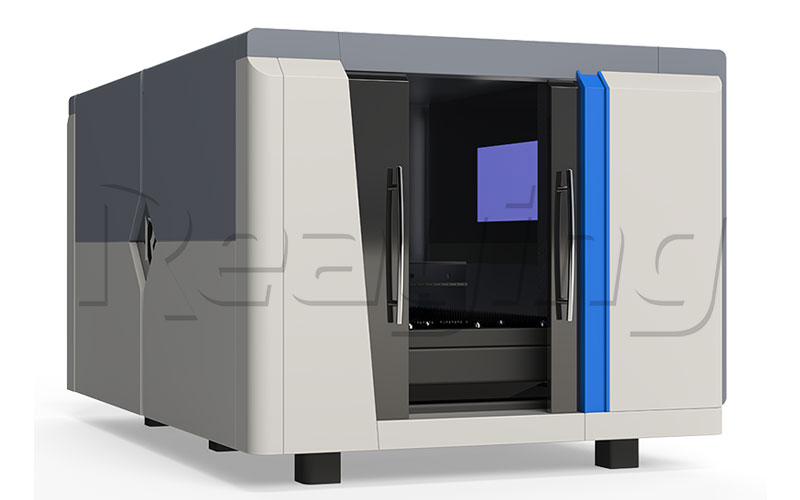
Reaying’s fiber laser cutting range includes machines designed for metal sheet processing and models configured for sheet and tube cutting. The category lists common materials such as stainless steel, carbon steel and aluminum, while supported materials and functions vary by machine.
Stainless Steel
Fiber laser cutting can be considered for stainless steel sheet applications in metal fabrication, hardware production and other manufacturing tasks.
The required cutting quality and suitable process settings depend on the grade, thickness, surface condition and intended use of the finished part.
Carbon Steel
Carbon steel is used in many fabrication jobs, including brackets, panels, frames and other metal components.
When selecting a machine, evaluate the thickness range that is important to your production instead of relying only on the machine’s maximum advertised power.
Aluminum and Other Metals
Aluminum and other metals may also be suitable for fiber laser cutting, depending on the machine’s capabilities and configuration.
Different materials do not respond identically to the same cutting settings. For applications involving reflective metals or less common materials, confirm machine compatibility and conduct a suitable cutting test before production.
Fiber Laser Cutting Workflow: From Material Preparation to Finished Parts
A clear workflow helps manufacturers identify where time is spent and where problems occur.
Step 1. Confirm the Drawing and Material
Check the part drawing, dimensions, material grade and thickness before preparing the job.
Confirm that the material is suitable for the selected machine and that the drawing includes the necessary dimensions and features.
Missing dimensions or conflicting drawing versions can cause problems even when the cutting machine is working correctly.
Step 2. Prepare the Cutting Program
Prepare the cutting file in a format supported by the machine’s control software.
Check the part layout, cutting order and relevant cutting parameters. For a new part, review the program before starting the full production run.
Step 3. Position and Secure the Sheet
Load the sheet according to the machine’s operating instructions.
The sheet should be correctly positioned for the job, and the operator should check that the cutting area is clear before starting.
For an enclosed or automated machine, follow the required safety and operating procedures for its particular configuration.
Step 4. Verify the Cutting Parameters
Select the appropriate settings for the material and thickness.
Laser power is only one part of the process. Cutting speed, assist gas, focus position, nozzle condition and the condition of the optical system can also affect the result.
Use the machine manufacturer’s recommendations as a starting point and verify the settings through suitable test cuts.
Step 5. Inspect the Finished Parts
After cutting, inspect the sample or finished parts against the drawing.
Check the dimensions, cut edges, feature positions and any surface requirements relevant to the next production process.
If a part fails inspection, identify the cause before repeating the full batch.
Step 6. Organize the Next Production Step
Once the parts pass inspection, transfer them to the next step, such as sorting, deburring where required, bending, welding or assembly.
Good coordination between cutting and downstream operations helps prevent completed parts from accumulating without being processed further.
What Affects the Efficiency of a Fiber Laser Cutting Machine?
A machine’s production performance depends on several factors working together.
Laser Power and Material Thickness
Laser power should match the materials and thicknesses that the workshop needs to process.
The appropriate configuration depends on the required cut quality and output, not simply on choosing the highest power available.
Cutting Parameters
Poorly matched parameters may affect cut quality and the time required to complete a job.
Manufacturers should evaluate the settings against their material, thickness and required finish. Parameter changes should be tested before being used across a production batch.
Machine Configuration
The working area, loading arrangement, machine enclosure, worktable and other configuration details affect how well the machine fits into the workshop.
For example, a sheet cutting machine and a model designed for both sheet and tube processing serve different workflow requirements. Choose based on the workpieces actually produced.
Operator Training
Operators need to understand the control system, cutting program preparation, machine safety and routine checks.
Training can help reduce errors during setup and make it easier to identify process problems before they affect a complete batch.
Routine Maintenance
The cutting head, optical components, assist-gas system, machine movement components and other parts require maintenance according to the manufacturer’s instructions.
Regular inspection helps identify issues that could affect cutting quality or interrupt production. The precise maintenance tasks depend on the machine configuration.
How to Evaluate the Total Production Cost
A machine should be evaluated by its effect on the complete production process, rather than purchase price alone.
Relevant factors may include:
- Machine purchase and installation costs
- Electricity and other operating requirements
- Operator time
- Assist gas and consumables
- Maintenance and replacement components
- Material utilization
- Secondary finishing and rework
- Production interruptions
- The labor and handling required between process steps
These costs vary between workshops. It is therefore not reliable to assume that fiber laser cutting will always be cheaper than every alternative method.
A practical comparison uses a representative job. Record the material used, the number of acceptable parts produced, the total processing time and the finishing work required. Compare the results with the existing process under similar conditions.
This provides a more useful basis for deciding whether the machine is appropriate for the workshop.
How to Choose a Fiber Laser Cutting Machine for Your Workshop
Before selecting a model, prepare a clear summary of your production requirements.
Define the Main Workpieces
List the materials, thicknesses, sheet dimensions and typical part shapes that you need to process.
If the workshop also cuts pipes or tubes, specify their sizes and shapes separately because not every sheet cutting model includes tube cutting functionality.
Set the Required Cutting Quality
Explain the dimensional requirements, edge condition and features that the finished parts must meet.
These requirements will help determine which machine configuration and testing procedure are appropriate.
Estimate the Production Volume
Consider the number of parts processed per shift or per day, the number of different jobs and the frequency of changeovers.
This information helps the supplier assess whether the proposed machine and loading arrangement match the workflow.
Confirm the Complete Configuration
Ask about the working area, laser source and power options, cutting head, control system, table arrangement, cooling equipment, safety features and included accessories.
Make sure the quotation clearly distinguishes standard equipment from optional items.
Request a Representative Cutting Test
Where practical, provide actual material and part drawings for a machine test.
Check the finished dimensions, edge quality, processing requirements and any finishing work needed after cutting. This is more informative than relying on broad performance claims alone.
Reaying Fiber Laser Cutting Machines for Metal Fabrication
Reaying provides fiber laser cutting machines for metal processing, including sheet cutting models and configurations designed for sheet and tube applications. The appropriate model depends on the material, working area, cutting requirements and overall production process.
For workshops mainly processing metal sheets, the RY-L1530F fiber laser cutting machine is one model to review. Its product page lists a 1500 × 3000 mm working area and describes applications involving metal sheet cutting. Confirm the final specifications and configuration with Reaying before ordering.
You can also browse the complete fiber laser cutting machine range to compare sheet cutting and sheet-and-tube configurations.
When requesting a recommendation, provide your material type, thickness, sheet dimensions, part drawings and estimated production volume. This makes it easier to evaluate a configuration that fits your actual work.
Conclusion
A fiber laser cutting machine can support a more organized metal fabrication workflow by providing programmable cutting, repeatable job setup and the ability to process a range of metal sheet designs.
However, workshop efficiency depends on more than the cutting machine itself. Material preparation, cutting programs, operator training, inspection, maintenance and coordination with downstream processes all affect the final result.
Before investing in equipment, define your main production requirements, compare the complete configuration and test representative parts. This approach gives you a more realistic basis for evaluating cutting quality, material utilization and total production cost.
Need Help Choosing a Fiber Laser Cutting Machine?
Share your material type, thickness range, sheet dimensions and typical part drawings with Reaying.
These details can help determine which fiber laser cutting machine configuration is worth evaluating for your metal fabrication workflow.
Contact Reaying to discuss your metal cutting requirements.
Need Help!!!
Categories
Recent Post

Tag Cloud
About Reaying
Shandong Reaying Machinery Co., Ltd. is one of the leading laser machine manufacturers around the world since 2008 with a registered capital of 3 million yuan. It is a high-tech enterprise focusing on R&D...
Read More