RY-L1530F Fiber Laser Cutting Machine Review: Features and Buying Checks
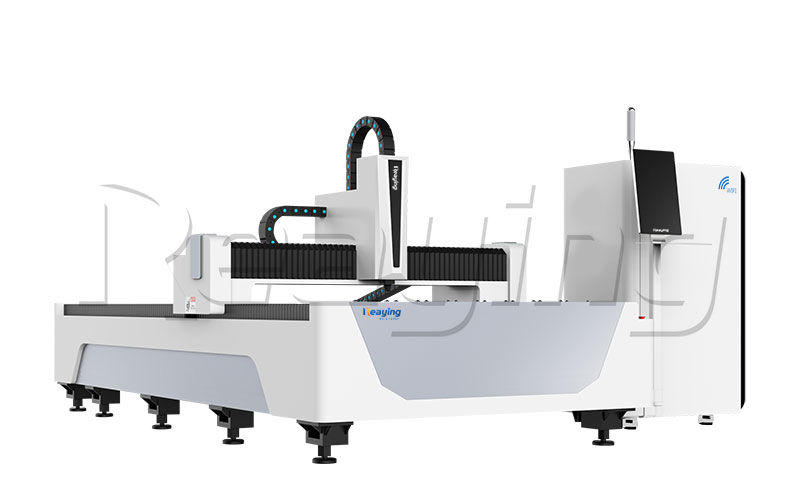
The RY-L1530F fiber laser cutting machine is designed for metal sheet processing, with a published working area of 1500 × 3000 mm and a range of laser power options. It is intended for manufacturers that need to cut sheet metal into parts for fabrication, equipment production, hardware processing and other industrial applications.

Choosing a fiber laser cutting machine involves more than comparing laser power or machine size. The material grade, sheet thickness, required edge quality, production volume and available workshop space all affect which configuration is suitable. This guide explains the published features of the RY-L1530F and the key points buyers should confirm before ordering.
RY-L1530F Fiber Laser Cutting Machine: Key Specifications
The following information summarizes the configuration details listed on Reaying’s product page. Confirm the exact specification and options in the quotation because laser power and other equipment details can vary by configuration.
| Item | Published information |
|---|---|
| Model | RY-L1530F |
| Working area | 1500 × 3000 mm |
| Laser power options | 500 W–25,000 W |
| Laser source | Raycus listed; IPG and Nlight options are also listed |
| Supported materials | Carbon steel, stainless steel, aluminum alloy, copper and galvanized sheet are listed |
| Main purpose | Metal sheet laser cutting |
The working area indicates the nominal sheet-processing area. Before ordering, verify the usable processing dimensions, sheet-loading arrangement and clearance required for your actual workpieces.
Laser power should be selected according to the materials and thicknesses you plan to process. A higher-power configuration is not automatically the most cost-effective choice for every workshop. The required cutting quality, workload and expected production volume should be evaluated together.
What Materials Can the RY-L1530F Cut?
Reaying’s published product information lists carbon steel, stainless steel, aluminum alloy, copper and galvanized sheet among the supported materials. The suitable thickness range and cutting conditions depend on the selected laser power, material grade and process configuration.
Carbon Steel
Carbon steel sheet is commonly used for brackets, machine components, frames and fabricated metal parts. When evaluating a machine for carbon steel, provide the actual material grade and thickness, along with the required edge quality and production volume.
Stainless Steel
Stainless steel is used in equipment housings, enclosures, fabricated components and other industrial products. If stainless steel is a major part of your workload, request a cutting sample using the grade and thickness you regularly process.
Aluminum Alloy
Aluminum alloy may be used for lightweight structures, housings and other manufactured components. Before selecting a configuration, confirm that the proposed laser source, cutting head and process settings are suitable for your intended material and thickness.
Copper and Galvanized Sheet
Copper and galvanized sheet are also listed in the published material range. Because material properties and processing requirements differ, do not assume that the same cutting settings will produce equivalent results across all metals. Confirm suitable conditions through technical review and sample testing.
Applications of the RY-L1530F Fiber Laser Cutting Machine
A 1500 × 3000 mm working area may suit workshops that regularly process flat metal sheets and need room for parts of different sizes. The appropriate setup depends on the dimensions of the parts, the sheet layout and how materials are loaded and unloaded.
Potential applications include:
- Sheet metal fabrication: Cutting blanks for fabricated products and assemblies.
- Hardware processing: Producing metal parts according to customer drawings.
- Automotive-related manufacturing: Processing suitable sheet-metal components.
- Electrical cabinets and enclosures: Cutting panels and other flat metal components.
- Custom metal work: Producing parts in different sizes and shapes for industrial orders.
These are application areas to evaluate, not a guarantee that every material, thickness or part design can be processed under the same conditions. Confirm the machine configuration against the specific parts you intend to manufacture.
How to Choose the Right Laser Power
The appropriate laser power depends on the required material range and production objectives. Before requesting a quotation, prepare a list of your most common materials and thicknesses. Include the maximum thickness you expect to process and any requirements for edge condition or dimensional tolerance.
Ask the supplier to explain which configuration is recommended for your workload and why. The discussion should cover the laser source, cutting head, assist gas, nozzle selection, process parameters and any other components relevant to your application.
Do not compare machines on laser power alone. Consider the actual parts you produce, how frequently you cut them and the results required for downstream operations.
What to Check Before Buying the RY-L1530F
1. Confirm the Working Area
Check whether the 1500 × 3000 mm working area accommodates your largest sheets and typical part layouts. Consider how sheets will be moved into position and how finished parts and scrap will be removed.
2. Confirm the Laser Configuration
Ask for the proposed laser source and rated power to be identified clearly in the quotation. Confirm whether the listed options are available for the exact machine being offered.
3. Test Your Actual Materials
Provide sample parts or representative material samples. Where possible, ask for cutting tests using the grades and thicknesses you process most often. Review the cut edge, dimensional results and consistency against your requirements.
4. Review the Machine’s Accuracy Information
Identify the dimensions and tolerances that matter most for your parts. Ask the supplier to confirm the applicable positioning and repeat-positioning specifications for the quoted configuration and explain the conditions under which they are measured.
Machine specifications and results obtained during a sample test are different kinds of evidence. Both should be reviewed before making a purchasing decision.
5. Check Software and File Compatibility
Confirm that your existing design and production workflow is compatible with the machine’s control system and supported file formats. Discuss the software needed to prepare cutting paths and arrange parts on each sheet.
6. Review Installation and After-Sales Support
Before placing the order, confirm installation requirements, operator training, routine maintenance, consumable parts, warranty terms and technical support arrangements. These details can affect how easily the machine fits into your current workshop.
How to Evaluate a Fiber Laser Cutting Sample
A cutting demonstration is most useful when it reflects your actual production requirements. A sample cut on a different material or thickness may not predict the results you will obtain in your workshop.
For a meaningful evaluation, provide the material grade, sheet thickness, part drawing and required edge quality. Ask the supplier to document the configuration and cutting conditions used for the test.
Check the finished sample against the drawing. Inspect important dimensions, edge condition, dross or burrs where relevant, and any features that may affect subsequent assembly or processing. If cycle time is important, confirm how it is measured and which operations are included.
Record the results and compare them with your own acceptance criteria. This approach is more reliable than choosing a machine based on general descriptions such as “high speed” or “high precision” alone.
RY-L1530F Product Information and Related Machines
The RY-L1530F is one option in Reaying’s fiber laser cutting machine range. If the working area and proposed configuration appear suitable for your sheet-metal requirements, review the official product page and confirm the detailed configuration with the supplier.
See the RY-L1530F fiber laser cutting machine product page for the published machine information.
You can also browse the Reaying fiber laser cutting machine range to compare other machine configurations. Check the specifications of each model rather than assuming that all models share the same working area, laser power or optional equipment.
Frequently Asked Questions
What is the working area of the RY-L1530F?
Reaying’s published product page lists a working area of 1500 × 3000 mm. Confirm the usable dimensions and workpiece arrangement for the configuration in your quotation.
What laser power options are available?
The product page lists options ranging from 500 W to 25,000 W. The suitable power depends on the materials, thicknesses, cutting requirements and production volume.
Which materials can the RY-L1530F process?
The published material range includes carbon steel, stainless steel, aluminum alloy, copper and galvanized sheet. Confirm the suitable material thicknesses and cutting conditions for your selected configuration.
How can I check whether the machine suits my production?
Provide the supplier with representative material samples, thicknesses, part drawings and tolerance requirements. Request a suitable sample test and evaluate the result against your actual acceptance criteria.
What should I confirm before placing an order?
Confirm the machine’s working area, laser source, rated power, supported materials, relevant technical specifications, software compatibility, installation arrangements, warranty terms and after-sales support.
Discuss Your Metal Sheet Cutting Requirements with Reaying
The most suitable fiber laser cutting machine is the one that matches your materials, part dimensions, required cutting quality and production workload.
Before requesting a quotation for the RY-L1530F, prepare your common material grades and thicknesses, part drawings, approximate production volume and any critical tolerances. This information helps the supplier assess the proposed configuration and identify the details that need to be confirmed.
Contact Reaying to discuss your sheet-metal cutting requirements and review whether the RY-L1530F configuration is suitable for your application.
Need Help!!!
Categories
Recent Post

Tag Cloud
About Reaying
Shandong Reaying Machinery Co., Ltd. is one of the leading laser machine manufacturers around the world since 2008 with a registered capital of 3 million yuan. It is a high-tech enterprise focusing on R&D...
Read More