CNC Lathe Guide for Beginners: Operation, Setup and Maintenance
A CNC lathe can help manufacturers improve machining consistency, production efficiency, and process control compared with conventional manual machining. However, getting the best results requires more than simply installing the machine. Operators also need to understand the basic operation, setup, programming, maintenance, and support involved in CNC turning.
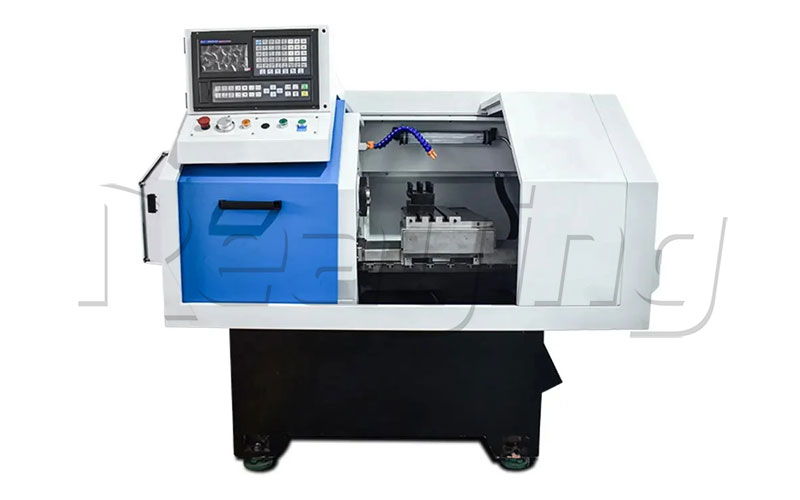
This guide introduces the main points beginners should understand when learning to work with a CNC lathe.
What Should You Consider Before Choosing a CNC Lathe?
Before purchasing a CNC lathe, it is important to understand the requirements of your machining work.
The original selection process in this article focused on several practical considerations: precision, ease of use, technical support, maintenance, and overall cost.
Precision and Consistency
Precision is one of the main reasons manufacturers consider CNC machining.
Compared with manual machining, CNC equipment can use programmed movements to produce repeated operations more consistently. This is particularly useful when the same machining process needs to be repeated for multiple parts.
Before choosing a CNC lathe, consider the type of parts you need to machine and the level of consistency required for your production.
Ease of Use
CNC lathes are more advanced than conventional manual machines, so ease of operation is important for beginners and experienced operators alike.
A practical CNC lathe should have a control system that operators can learn and use efficiently. Training materials and clear operating instructions can also make the learning process easier.
Technical Support and Maintenance
Technical support is another factor to consider before purchasing a CNC lathe.
Operators may need assistance during installation, initial setup, programming, troubleshooting, or routine maintenance. Access to technical guidance and spare parts can also make long-term machine operation easier.
Cost and Long-Term Production Requirements
The initial purchase price is only one part of the decision.
Manufacturers should also consider how the machine fits their production requirements, including productivity, part consistency, maintenance, and operator training.
Instead of looking only at the purchase price, evaluate whether the machine configuration matches the work you expect it to perform.
CNC Lathe Installation and Initial Setup
After selecting a CNC lathe, proper installation and setup are important before normal production begins.
The original article describes installation support, machine setup, calibration, tool alignment, and initial testing as important parts of the process.
Machine Installation
The machine should be installed according to the manufacturer’s instructions and requirements.
During installation, the machine needs to be correctly positioned and prepared for operation. Any supporting equipment required by the machine should also be installed according to the supplied documentation.
Initial Calibration
Calibration is an important step before production.
The machine should be checked and adjusted so that the programmed movements and tool positions operate correctly. Initial testing can help identify setup problems before the machine is put into regular production.
Tool Setup
Tool setup is another important part of preparing a CNC lathe.
Operators need to make sure the required tools are installed correctly and that the machine’s tool information is configured properly before machining begins.
Basic CNC Lathe Operation for Beginners
Once the machine has been installed and set up, operators need to become familiar with the basic operating process.
Understand the Control System
Beginners should first learn the machine’s control interface and understand how to access the required machining functions.
Training should cover the basic operating process before moving on to more advanced programming tasks.
Load and Check the Program
A CNC lathe follows programmed instructions to control its machining operations.
Before starting a machining cycle, the operator should check the program and confirm that the machine is correctly prepared for the intended operation.
A proper training process can help operators understand how programs are created, stored, loaded, and adjusted.
Perform Initial Tests
Before running a full production cycle, initial testing is useful for confirming that the setup and program operate as expected.
This can help operators identify problems before continuing with regular production.
CNC Lathe Programming
Programming is an important part of CNC lathe operation.
For beginners, programming can initially seem difficult because it requires an understanding of the machine’s commands, tool movements, and machining sequence.
Training and practice can help operators gradually become familiar with the programming process.
Start With Basic Operations
Beginners should first understand the basic operations required for their machine before moving to more advanced programming.
Once the basic workflow becomes familiar, operators can learn how to create and store different programs for different machining tasks.
Use Training Resources
The original article highlights the value of manufacturer training and operating guidance during the learning process.
Training resources can help operators understand both machine operation and programming procedures.
Daily CNC Lathe Operation
After the machine has been set up and the operator has received the necessary training, daily operation becomes an important part of production management.
Production Consistency
One of the main benefits discussed in the original article is consistent production when the same programmed machining process is repeated.
This can be useful for production runs where maintaining similar results across multiple parts is important.
Production Efficiency
CNC operation can reduce the amount of manual intervention required during repeated machining processes.
The actual production efficiency depends on the machine configuration, programming, workpiece, tools, and production process.
Changing Between Machining Tasks
Different machining tasks may require different programs and settings.
The ability to load different programs and adjust the machine for different operations can make CNC equipment suitable for a range of production requirements.
Common Challenges When Learning to Use a CNC Lathe
Moving from manual machining to CNC machining can require an adjustment period.
Learning Curve
Beginners may need time to become familiar with the control system, programming, tool setup, and machining workflow.
Regular practice and structured training can help operators become more comfortable with the machine.
Maintenance Requirements
Routine maintenance is necessary for continued machine operation.
The original article mentions cleaning, lubrication, and periodic inspection as part of a maintenance routine.
Operators should follow the maintenance requirements provided for their specific CNC lathe rather than relying on a general schedule.
Software and Control Updates
The original article also recommends keeping the machine software up to date where applicable.
Before applying any update, operators should follow the manufacturer’s instructions and confirm compatibility with the machine’s control system.
CNC Lathe Technical Support and Spare Parts
Technical support can be important throughout the life of a CNC lathe.
Operators may need assistance with:
- Machine operation
- Programming
- Troubleshooting
- Maintenance
- Spare parts
- Accessories
Having access to technical assistance and suitable replacement parts can help operators deal with machine issues more efficiently.
Before purchasing a CNC lathe, it is therefore useful to understand what type of technical support, training materials, and spare-parts service the manufacturer provides.
How to Build an Effective CNC Lathe Maintenance Routine
A simple maintenance routine can help operators keep track of the machine’s condition.
The original article specifically mentions:
Cleaning
Keep the machine and relevant working areas clean as part of routine maintenance.
Lubrication
Carry out lubrication according to the manufacturer’s maintenance requirements.
Periodic Inspection
Regularly inspect the machine and related components to identify potential problems.
Software Checks
Where applicable, check whether software or control-system updates are available and follow the manufacturer’s instructions.
The exact maintenance procedure should always be based on the requirements of the specific CNC lathe model.
What Should Beginners Learn First?
For a new CNC lathe operator, the learning process can be organized into several stages:
First, understand the machine’s basic controls and safety procedures.
Next, learn the basic setup process, including tool preparation and initial checks.
Then, learn how to load and understand CNC programs.
After that, practice basic machining operations under appropriate supervision.
Finally, learn routine maintenance, troubleshooting, and the procedures for requesting technical support.
A structured learning process can make it easier for beginners to become familiar with CNC machining.
Reaying CNC Machine Support
Reaying provides CNC machinery as part of its broader industrial equipment range. When evaluating a CNC machine, buyers should consider the machine’s actual configuration, intended machining tasks, operator requirements, maintenance needs, and available technical support.
For customers considering a CNC lathe, the most useful starting point is to provide the manufacturer with information about the parts to be machined and the production requirements. This allows the machine configuration and operating requirements to be discussed based on the actual application.
Conclusion
Learning to use a CNC lathe involves more than understanding the control panel. Beginners also need to learn machine setup, tool preparation, programming, testing, daily operation, and routine maintenance.
Before purchasing a CNC lathe, consider precision requirements, ease of operation, training, technical support, maintenance, spare parts, and the type of production work the machine will perform.
With appropriate training and a structured operating process, CNC machining can become easier to manage and more consistent for repeated production work.
Need Help Choosing a CNC Lathe?
Contact Reaying to discuss your machining requirements, machine configuration, training, and technical support.
Need Help!!!
Categories
Recent Post

Tag Cloud
About Reaying
Shandong Reaying Machinery Co., Ltd. is one of the leading laser machine manufacturers around the world since 2008 with a registered capital of 3 million yuan. It is a high-tech enterprise focusing on R&D...
Read More