Fiber Laser Cutting for Sheet Metal: Applications, Workflow, and Quality Factors
Fiber laser cutting is widely used in sheet metal fabrication to turn flat metal sheets into parts with specified shapes and dimensions. Typical applications include equipment panels, brackets, enclosures, machine components and custom metal parts.
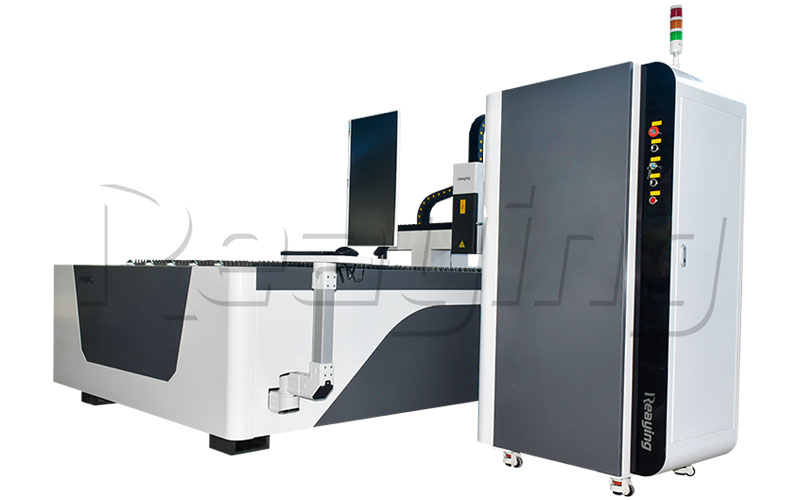
The suitability of a fiber laser cutting machine depends on the material, sheet thickness, part design, required edge quality and production workload. A well-matched machine configuration can help manufacturers plan their cutting operations more effectively, but actual results should always be evaluated against the requirements of the parts being produced.
This guide explains common sheet metal laser cutting applications, the main steps in the process, factors that influence cutting quality and what to check when evaluating a fiber laser cutting machine.
What Is Fiber Laser Cutting in Sheet Metal Processing?
Fiber laser cutting uses a focused laser beam to process material along a programmed cutting path. The cutting system combines the laser source, optical and cutting-head components, motion system, control system and suitable process parameters to produce the required part profile.
In sheet metal fabrication, the process can be used for straight cuts, contours, slots, holes and more complex two-dimensional shapes, depending on the machine configuration and cutting conditions.
Compared with manually performed cutting operations, a programmed process provides a repeatable way to produce parts from digital drawings. However, the achievable accuracy, edge condition and production time depend on the equipment, material and process setup. These results should be verified for the actual application rather than assumed from the machine type alone.
Common Applications of Fiber Laser Cutting Machines
Fiber laser cutting can support many types of sheet metal fabrication. The most suitable applications depend on the workpiece dimensions, material range, required finish and production method.
Electrical Cabinets and Equipment Enclosures
Cabinets and enclosures often require panels, openings, mounting holes and other cut features. Laser cutting can be used to prepare these flat components before bending, fastening or assembly.
When selecting equipment for enclosure production, consider the largest panel size, the number and size of cut features, the required dimensional tolerances and how the parts will be handled after cutting.
Brackets and Mechanical Components
Brackets, mounting plates, machine covers and other mechanical parts may contain contours or openings that are difficult to produce efficiently through some manual methods.
A programmed cutting process can help standardize the production of repeated profiles. The part drawing should still be reviewed to determine whether the material, thickness, geometry and tolerances are suitable for the proposed machine configuration.
Sheet Metal Fabrication and Custom Parts
Fabrication workshops often process different designs in the same production area. These orders may vary in sheet size, shape, material and quantity.
Laser cutting is worth evaluating where the workflow requires a range of programmed profiles. Planning the cutting layout and grouping jobs by material and thickness can help organize production and material usage.
Automotive-Related and Industrial Components
Industrial production may require flat metal parts for equipment, fixtures, vehicle-related assemblies or machine structures. Suitability depends on the component specifications and the quality requirements of the end application.
For parts with tight tolerances or critical assembly features, confirm the required dimensions and inspect trial-cut samples before approving a production process.
Decorative Panels and Metal Signage
Decorative sheet metal panels and signs can contain lettering, patterns, slots and detailed contours. The suitability of laser cutting depends on the material, thickness, feature size and required edge appearance.
Before production, check whether the design includes small features or narrow gaps that need special attention during cutting and inspection.
Materials Used in Sheet Metal Laser Cutting
Fiber laser cutting machines are used to process different metal materials, but the correct configuration and cutting conditions vary with material properties and thickness.
Common materials considered for sheet metal laser cutting include:
- Carbon steel
- Stainless steel
- Aluminum alloys
- Copper
- Galvanized sheet
Not every machine configuration supports every combination of material and thickness under the same conditions. The laser source, cutting head, assist gas, nozzle and process parameters must be appropriate for the intended job.
For guidance focused on material differences, see how to choose a fiber laser cutting machine for different metal materials. Use the material grade and thickness you actually process when comparing configurations.
How the Sheet Metal Laser Cutting Process Works
A planned process helps connect the digital design with the finished part. The exact workflow varies by factory and machine, but the main stages commonly include the following.
1. Prepare the Part Drawing
Start with the engineering drawing or approved design file. Confirm overall dimensions, cutouts, holes, contours and tolerances. Check that the design matches the intended finished part and any downstream bending or assembly requirements.
2. Arrange Parts on the Sheet
Nesting software can be used to arrange parts within the available sheet area. The layout should account for material dimensions, part spacing, cutting sequence and any process limitations.
A suitable layout can help manage material use, but the actual result depends on the part geometry, sheet condition, production plan and nesting settings.
3. Confirm Material and Cutting Settings
Verify the material grade and thickness before selecting the cutting parameters. Use settings appropriate for the machine configuration, cutting head, nozzle and assist gas.
Do not assume a parameter set that works for one thickness or material will produce the same results on another. Changes in material or thickness may require a different setup and additional testing.
4. Run the Cutting Program
Before starting a job, check the sheet position, machine setup, program and safety arrangements. Confirm that the selected program matches the intended part and that the material is positioned correctly.
During cutting, operators should follow the machine instructions and applicable safety procedures. Monitor the process for abnormal conditions and stop to investigate when needed.
5. Inspect the Cut Parts
Compare the finished parts with the drawing. Check critical dimensions and inspect the edge condition, holes, contours and other features that matter to the next manufacturing stage.
If the result does not meet requirements, review the setup and cutting conditions before continuing with the full batch. A successful first-part check is useful, but ongoing inspection may still be needed according to the production and quality-control plan.
6. Move to the Next Manufacturing Stage
Depending on the part, the next stage may involve deburring, bending, welding, coating or assembly. Consider these downstream steps when specifying cut-edge requirements and planning the overall production workflow.
The goal is not simply to complete a cut, but to produce parts that fit the requirements of the finished product.
Factors That Affect Fiber Laser Cutting Quality
Material Grade and Sheet Thickness
Different materials and thicknesses behave differently during cutting. Confirm the actual material specification and test representative samples before settling on the production configuration.
Laser Power and Machine Configuration
Laser power is one factor in cutting performance, but it should not be evaluated in isolation. The laser source, cutting head, motion system, process settings and material requirements must work together.
Cutting Parameters and Assist Gas
Focus position, speed, power settings, nozzle selection and assist-gas conditions can influence the finished edge. The appropriate combination depends on the specific material and thickness.
Part Geometry and Sheet Condition
Very small features, narrow spaces, complex contours and uneven sheet conditions may affect the cutting plan. Review the design and material condition before production rather than assuming all geometries will perform equally well.
Machine Condition and Routine Checks
Maintenance, cleaning, inspection of consumable components and adherence to operating procedures help the machine remain suitable for its intended workload. Follow the manufacturer’s guidance for checks and replacement intervals.
What to Evaluate When Choosing a Fiber Laser Cutting Machine
Before requesting a quotation, prepare the main requirements for your sheet metal production. Compare the proposed configuration against those requirements rather than choosing only by headline power or advertised speed.
Check the following points:
- Working area: Does it accommodate the sheet sizes and part layouts you use?
- Material range: Which material grades and thicknesses must be processed?
- Cutting requirements: What edge condition, dimensional tolerances and feature sizes are required?
- Laser configuration: Which laser source and power rating are proposed for the application?
- Control and software: Is the system compatible with your drawing files and production workflow?
- Material handling: How will sheets be loaded, positioned and removed?
- Safety and extraction: What protective structure, extraction and workshop arrangements are required?
- Service and maintenance: What installation, training, consumables and technical support are available?
Request clarification of the quoted configuration and any optional components. The specifications of one model should not be assumed to apply to another.
How to Evaluate a Cutting Sample Before Buying
A sample test is a practical way to check whether a proposed configuration fits your requirements. Use representative material and thickness, and provide a part drawing with the critical dimensions identified.
During the evaluation, review the cut edge, dross or burrs where relevant, feature dimensions and consistency against your acceptance criteria. If production time matters, ask how the test time is measured and which operations it includes.
Record the machine configuration and test conditions so that results can be reviewed consistently. A test on a different material or thickness may not accurately represent the results expected in your own production.
Avoid relying only on broad claims such as “high speed,” “high precision” or “low operating cost.” Evaluate the sample and machine configuration against your actual job requirements.
Explore Reaying Fiber Laser Cutting Machines
Reaying offers different fiber laser cutting machine configurations for metal sheet and other metal processing applications. The suitable model depends on your part dimensions, materials, thicknesses, required cutting quality and workshop workflow.
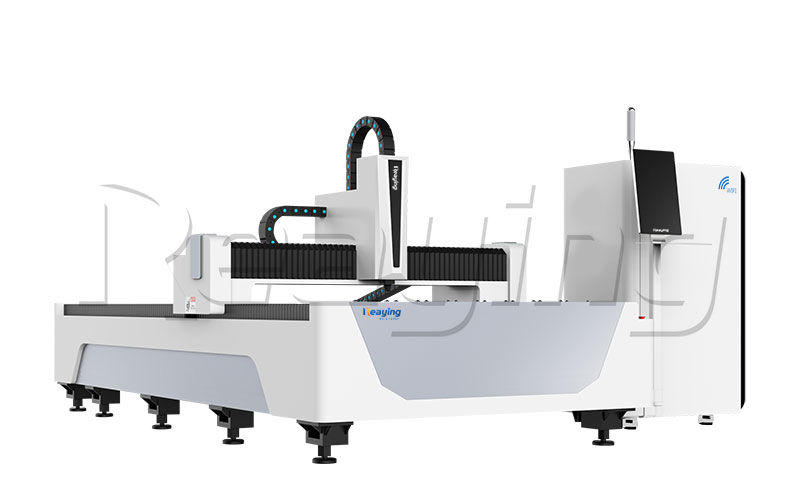
For an example of a sheet-metal cutting model, review the RY-L1530F fiber laser cutting machine. Confirm the exact specifications and options with the supplier for your intended application.
You can also browse the Reaying fiber laser cutting machine range to compare available machine types. Check each model’s published details rather than assuming that every model offers the same working area, laser power or equipment configuration.
Frequently Asked Questions
What is fiber laser cutting used for in sheet metal processing?
It is used to cut flat metal sheets into parts such as panels, brackets, enclosures, machine components and custom profiles. Suitability depends on the material, thickness, part geometry and machine configuration.
Which materials can fiber laser cutting machines process?
Common applications include carbon steel, stainless steel, aluminum alloys and certain other sheet metals. Confirm the materials and thicknesses supported by the proposed configuration before production.
Does higher laser power always mean better cutting results?
No. Laser power is only one factor. Material properties, cutting parameters, equipment configuration and required edge quality also influence the result. The right configuration should be evaluated against the actual workload.
How can I check cutting quality before buying?
Provide representative material and a part drawing, then request a sample test where available. Inspect critical dimensions and edge condition against your acceptance criteria.
What information should I prepare before requesting a quotation?
Prepare your common material grades and thicknesses, sheet dimensions, part drawings, tolerance requirements, production volume and any important downstream processing requirements.
Discuss Your Sheet Metal Cutting Requirements with Reaying
The right fiber laser cutting machine depends on the parts you manufacture and the results you need to achieve. Reviewing material requirements, part dimensions, cutting quality, handling arrangements and technical support helps create a more useful basis for comparing machine configurations.
Prepare your representative drawings and material specifications before requesting a recommendation. Contact Reaying to discuss your sheet metal processing requirements and confirm which machine configuration is appropriate for your application.
Need Help!!!
Categories
Recent Post

Tag Cloud
About Reaying
Shandong Reaying Machinery Co., Ltd. is one of the leading laser machine manufacturers around the world since 2008 with a registered capital of 3 million yuan. It is a high-tech enterprise focusing on R&D...
Read More