How to Choose a Laser Cutting Nozzle: Type, Size, and Alignment
A laser cutting nozzle is a small but important component of a fiber laser cutting system. It helps direct assist gas toward the cutting area so that molten material can be removed from the kerf. The nozzle’s type, diameter, condition and alignment can all influence the cutting process.
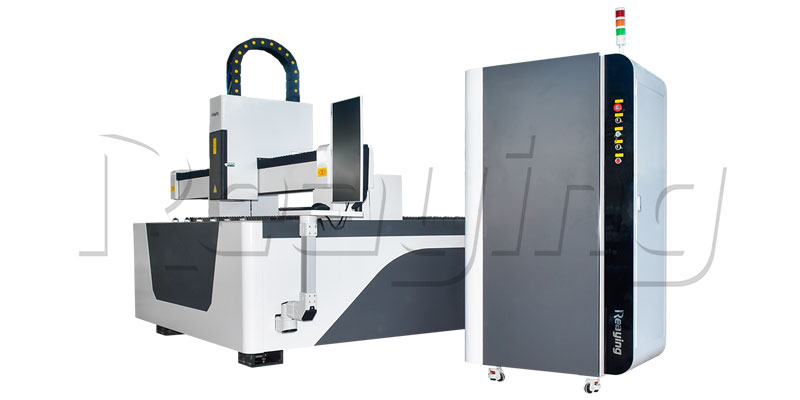
However, choosing a nozzle is not simply a matter of selecting a diameter based on sheet thickness. Material type, assist gas, laser power, cutting-head design and the required edge quality must also be considered.
This guide explains how to choose a laser cutting nozzle, the differences between common nozzle types, how nozzle alignment affects cutting quality and what to check when replacing or maintaining a nozzle.
What Does a Laser Cutting Nozzle Do?
During laser cutting, a focused laser beam processes the metal along a programmed path. Assist gas is directed through the cutting nozzle toward the workpiece and cutting kerf. Depending on the process, the gas helps remove molten material and can influence oxidation and the resulting cut edge.
A suitable nozzle helps provide the gas flow needed for the selected cutting process. If the nozzle is damaged, contaminated, incorrectly selected or poorly aligned with the laser beam, cutting performance may become inconsistent.
The nozzle works together with other parts of the cutting system, including the laser source, cutting head, protective optics, gas supply and CNC control system. A nozzle change alone cannot solve every cutting-quality problem, so the full process should be checked when results are unsatisfactory.
How to Choose the Right Laser Cutting Nozzle
1. Match the Nozzle to the Cutting Head
Before choosing a nozzle, confirm the exact cutting-head model and the compatible nozzle specification.
Nozzles can differ in their thread, mounting dimensions, shape and internal design. Two nozzles with a similar appearance or aperture diameter are not necessarily interchangeable.
Check the following information before ordering a replacement:
- Cutting-head manufacturer and model
- Compatible nozzle type and mounting specification
- Required aperture diameter
- Recommended nozzle design for the cutting process
- Any manufacturer-specific installation or maintenance instructions
Using a nozzle that does not match the cutting head may affect installation, positioning or process performance. Confirm compatibility with the machine supplier when the specification is unclear.
2. Choose the Nozzle Type for the Process
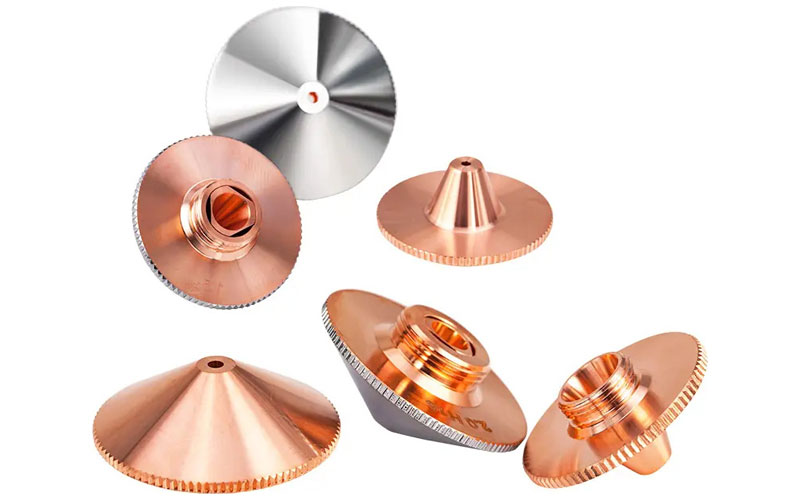
Single-layer and double-layer nozzles are common in fiber laser cutting. The appropriate design depends on the material, assist gas and machine-specific process parameters.
Single-Layer Nozzles
Single-layer nozzles are commonly considered for some nitrogen- or air-assisted cutting applications, including stainless steel and aluminum. The correct design still depends on the cutting head, material thickness and approved process settings.
Double-Layer Nozzles
Double-layer nozzles are commonly used in some oxygen-assisted carbon steel cutting applications. Their suitability depends on the nozzle design and the process recommended for the installed cutting head.
These are general application patterns, not universal rules. A machine manufacturer’s parameter sheet should take priority over a generic nozzle-selection chart.
3. Select the Correct Nozzle Diameter
The nozzle aperture affects the flow of assist gas into the cutting area. The diameter should be selected according to the material, sheet thickness, laser configuration, assist gas and required cutting result.
A nozzle with an aperture that is too small for the application may not provide the gas flow needed to remove molten material effectively. A diameter that is too large may produce an unsuitable gas-flow pattern or increase gas consumption, depending on the process.
There is no single nozzle diameter that works best for every fiber laser cutting machine.
Before selecting a diameter, confirm:
- Material type and thickness
- Assist gas being used
- Laser power and cutting-head configuration
- Recommended nozzle type
- Manufacturer-approved cutting parameters
Use the parameter table for the actual machine and verify the selection through test cutting. Avoid applying a general diameter chart to a different machine without confirming compatibility.
4. Consider Material and Assist Gas
The correct nozzle configuration can differ between materials because cutting processes use different assist gases and operating parameters.
Carbon Steel
Oxygen is commonly used for some carbon steel cutting applications, while nitrogen or compressed air may be considered for other jobs. The appropriate nozzle type and diameter depend on the required edge condition, material thickness and machine configuration.
Stainless Steel
Nitrogen is commonly considered when an oxidation-free cut edge is required. Nozzle selection should be matched to the gas, material thickness and cutting-head process settings.
Aluminum, Copper and Other Alloys
Non-ferrous materials may require additional care when selecting cutting parameters and equipment. Confirm that the cutting system is suitable for the intended material and that the nozzle and assist-gas configuration follow the approved process.
In every case, the material and thickness should be treated as part of the complete process specification, not as the only factors that determine nozzle size.
How Nozzle Alignment Affects Cutting Quality
The center of the laser beam should be properly aligned with the nozzle opening according to the cutting-head manufacturer’s requirements. Misalignment can affect how assist gas flows around the beam and through the cutting area.
Possible symptoms include:
- Dross or molten material collecting more heavily on one side of a cut
- Uneven cutting edges
- Inconsistent piercing
- Poor results when cutting small features or sharp corners
- Unstable cutting performance after a nozzle change
These symptoms do not always indicate nozzle misalignment. Incorrect focus position, unsuitable gas pressure, a damaged protective window, nozzle contamination, material condition and cutting parameters can produce similar problems.
What Should Be Checked During Nozzle Alignment?
If alignment is suspected, inspect the nozzle and cutting-head setup in accordance with the machine manufacturer’s approved procedure.
A qualified operator or service technician should confirm that the nozzle is correctly installed and that the beam and nozzle are aligned within the specified tolerance. Use only the recommended alignment equipment and safety procedures for the particular machine.
Do not assume that an alignment method intended for one cutting head is suitable for another. Avoid improvised live-laser tests, such as placing tape or other materials over the nozzle and firing the beam, unless an exact procedure is expressly approved by the equipment manufacturer and carried out under its safety requirements.
If the alignment cannot be verified safely, contact the supplier or a qualified service technician.
How Nozzle Quality and Material Affect Performance
Manufacturing Accuracy
The nozzle should meet the dimensional and manufacturing requirements specified for the cutting head and application. The aperture, mounting dimensions and internal geometry all need to be suitable for the intended process.
High manufacturing accuracy can support consistent setup, but the nozzle must also be installed correctly and used with appropriate cutting parameters.
Nozzle Material
Copper-based materials are commonly used for laser cutting nozzles. The best choice depends on the design, electrical and thermal requirements, cutting-head compatibility and the supplier’s specification.
Do not select a nozzle based only on a general claim that one material is always better than another. Confirm the recommended component for the specific cutting head and operating conditions.
Surface Condition
Inspect the nozzle opening and surrounding surface for spatter, contamination, deformation or visible damage. Deposits or damage may affect gas flow and make cutting results less consistent.
A nozzle that appears worn or has a damaged opening should be checked and replaced in accordance with the manufacturer’s recommendations.
Signs That a Laser Cutting Nozzle Needs Inspection or Replacement
A damaged or contaminated nozzle may affect cutting performance, but similar symptoms can also result from problems elsewhere in the cutting system.
Inspect the nozzle when you notice:
- Visible damage to the nozzle opening
- Spatter or contamination around the aperture
- A sudden change in cutting quality after a nozzle change
- Unusual or inconsistent dross formation
- Repeated cutting or piercing problems that cannot be explained by the current settings
When a problem occurs, first follow the machine’s approved shutdown and inspection procedure. Check nozzle condition and compatibility, then review the assist gas, focus position, protective optics and process parameters as required.
Replace a nozzle when it is damaged, worn or unsuitable for the process. Installing a new nozzle without checking the underlying cause may not resolve the problem.
A Practical Nozzle Selection Checklist
Before starting production or ordering replacement nozzles, work through the following checks.
Before Purchasing
- Confirm the cutting-head model and compatible nozzle specification.
- Identify the materials and thicknesses you process most often.
- Confirm the assist gas and nozzle type recommended for those applications.
- Check the approved aperture diameter and relevant process parameters.
- Confirm the supplier’s requirements for installation and maintenance.
Before Cutting
- Check that the nozzle is suitable for the selected job.
- Inspect the nozzle opening and mounting condition.
- Verify nozzle alignment according to the approved procedure.
- Confirm the material, gas and cutting settings.
- Run a representative test cut and inspect the result before proceeding with production.
During Maintenance
- Inspect the nozzle regularly for contamination or damage.
- Follow the recommended cleaning and replacement procedures.
- Avoid using damaged or incompatible nozzles.
- Record the nozzle specification and settings when troubleshooting recurring problems.
- Contact a qualified technician when alignment or cutting-head condition cannot be verified safely.
These checks help make nozzle selection and replacement more consistent. They do not replace the machine manufacturer’s operating instructions or approved cutting parameters.
How to Check Cutting Quality After Changing a Nozzle
After installing a different nozzle, verify the result using a test piece made from the intended material and thickness.
Check the cut edge for dross, roughness and other defects that matter to your application. Review piercing performance and the consistency of the cut where appropriate. If the result changes significantly, confirm that the selected nozzle and process settings match the machine specification.
Do not change multiple parameters at once unless the approved process specifically requires it. A controlled comparison can make it easier to identify whether the nozzle, gas conditions, focus position or another factor is affecting the result.
For more information about material-related cutting requirements, read our guide on choosing a fiber laser cutting machine for different metal materials.
Explore Reaying Fiber Laser Cutting Machines
Choosing a suitable laser cutting machine involves more than comparing laser power or working area. The cutting head, nozzle compatibility, assist-gas system, control system and intended material range should all be considered together.
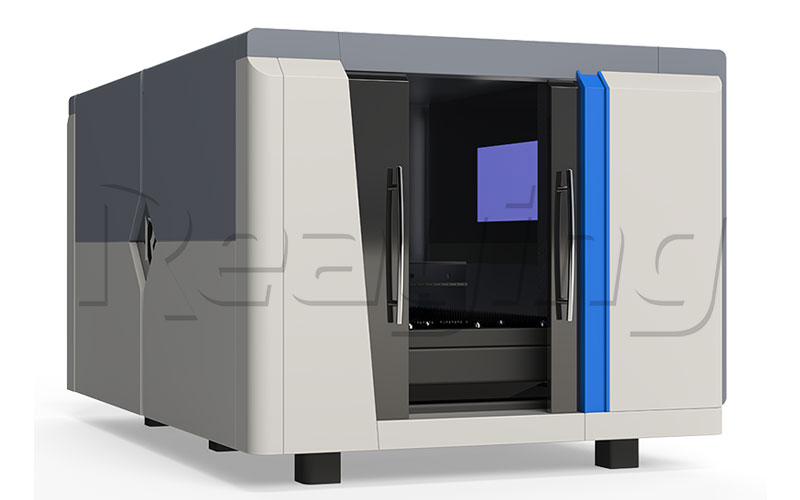
Reaying offers different fiber laser cutting machine configurations for metal sheet and tube processing. The correct setup depends on your material specifications, cutting requirements and production workflow.
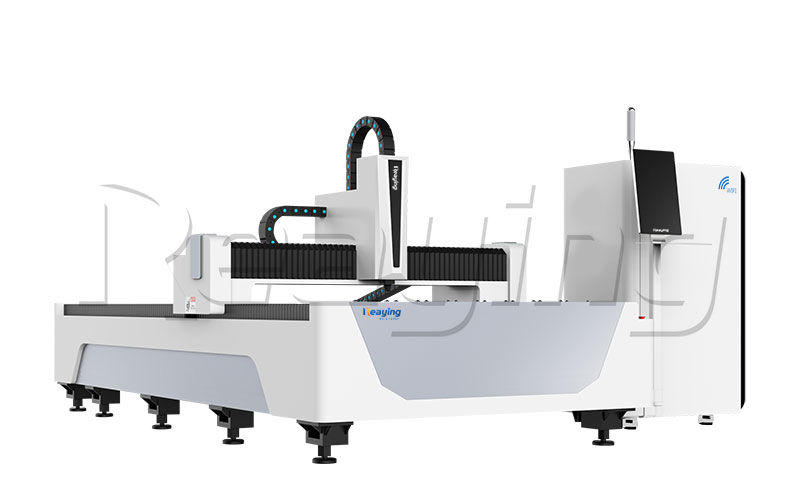
For an example of a sheet-metal cutting model, view the RY-L1530F fiber laser cutting machine. Confirm the cutting-head model, compatible nozzle specifications and approved cutting parameters for the configuration being quoted.
If you need help diagnosing cutting-quality problems, you can also consult the Reaying FAQ or contact the supplier with your material details, machine model and a description of the problem.
Frequently Asked Questions
How do I choose the right nozzle diameter for a fiber laser cutting machine?
Choose the diameter according to the material, sheet thickness, assist gas, nozzle type, cutting-head model and machine-specific process parameters. Confirm the recommended diameter in the manufacturer’s parameter table and validate the result through test cutting.
What is the difference between a single-layer and a double-layer laser cutting nozzle?
They have different designs and may be recommended for different gas and material combinations. Single-layer nozzles are commonly considered for some nitrogen- or air-assisted applications, while double-layer nozzles are used in some oxygen-assisted carbon steel processes. Always check the specification for the installed cutting head.
Can the wrong nozzle affect cutting quality?
Yes. An unsuitable, damaged, contaminated or incorrectly aligned nozzle can affect assist-gas flow and cutting consistency. However, similar symptoms may also be caused by gas pressure, focus position, protective optics or cutting parameters.
How often should a laser cutting nozzle be replaced?
There is no universal replacement interval. Inspection frequency and replacement requirements depend on the cutting workload, material, operating conditions and the machine manufacturer’s recommendations. Inspect the nozzle regularly and replace it when damaged or no longer suitable.
Is nozzle alignment important?
Yes. Correct alignment helps maintain the intended relationship between the laser beam and the nozzle opening. If misalignment is suspected, follow the approved procedure for the specific cutting head or contact a qualified service technician.
Can I use the same nozzle for every material and thickness?
Not necessarily. The required nozzle type and diameter can change with material, thickness, assist gas, laser power and process requirements. Use the parameter table for your machine rather than relying on one nozzle for every job.
Need Help Choosing a Laser Cutting Nozzle?
The right nozzle is the one that matches the cutting head, material, assist gas and approved process parameters for your application. Correct installation, alignment and regular inspection are also important for consistent cutting results.
Before ordering replacement nozzles or changing the cutting setup, confirm your machine model and the materials you process. Contact Reaying with these details to discuss the appropriate machine configuration and nozzle requirements.
Need Help!!!
Categories
Recent Post

Tag Cloud
About Reaying
Shandong Reaying Machinery Co., Ltd. is one of the leading laser machine manufacturers around the world since 2008 with a registered capital of 3 million yuan. It is a high-tech enterprise focusing on R&D...
Read More