Laser Welding Dissimilar Metals: Benefits, Challenges, and Applications
Laser welding is widely used in metal fabrication where a focused heat source, precise processing and a controlled welding process are important. In suitable applications, it can join different metal materials while limiting the heat-affected zone compared with some conventional welding processes.
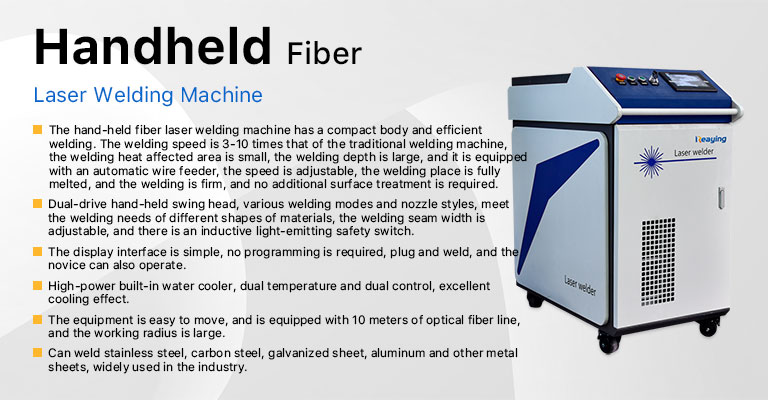
However, welding dissimilar metals is more complicated than welding the same material. Differences in melting temperature, thermal conductivity, thermal expansion and chemical compatibility can affect weld formation and joint performance.
This guide explains the potential advantages of laser welding dissimilar metals, the main technical challenges, common application areas and the factors to evaluate before selecting a laser welding machine or developing a welding process.
What Is Laser Welding of Dissimilar Metals?
Laser welding uses a focused laser beam to create a localized molten region that joins workpieces together. The process can be used for many metal combinations, provided that the materials and joint design are suitable and the welding procedure is properly developed.
Dissimilar metal welding means joining two different metals or alloys. Examples investigated in industrial applications include aluminum and copper, aluminum and steel, and certain titanium-to-aluminum combinations.
These material pairs are not interchangeable from a process-development perspective. Their physical and metallurgical properties differ, so each combination requires its own assessment of weldability, joint design and processing conditions.
The objective is not simply to melt both materials together. The finished joint must also meet the required mechanical, electrical, dimensional or corrosion-performance requirements.
Why Is Welding Dissimilar Metals Challenging?
1. Differences in Melting Temperature
Different metals and alloys may melt at different temperatures. During welding, one material may begin to melt while the other remains solid or responds differently to the same heat input.
This can make it difficult to control the size and composition of the molten region. The appropriate laser position, energy input and joint configuration depend on the material pair and the intended joint.
A suitable process must control the interaction between both materials rather than relying on a standard setting developed for one metal alone.
2. Differences in Thermal Conductivity and Laser Absorption
Thermal conductivity affects how heat spreads through a workpiece. Laser absorption also varies by material and surface condition.
For example, copper has high thermal conductivity and high surface reflectivity compared with many other metals. These properties can make laser welding of copper-containing joints more challenging.
The laser source, wavelength, beam characteristics, power settings and processing method should be considered together when determining whether the materials can be welded reliably.
3. Thermal Expansion and Residual Stress
Different materials can expand and contract differently during heating and cooling. These differences may generate residual stress around the weld.
Depending on the material combination, joint geometry and restraint, residual stress may contribute to distortion, cracking or reduced joint reliability.
Appropriate fixture design, heat-input control and a qualified welding procedure help manage these risks, but the result must be verified for the intended application.
4. Formation of Brittle Intermetallic Compounds
One of the important challenges in dissimilar metal laser welding is the possible formation of intermetallic compounds at the interface or within the weld metal.
Some of these compounds can be hard and brittle. If they form in an undesirable amount or distribution, they can reduce ductility or weaken the joint.
The risk depends on the specific metals, the weld composition and the thermal cycle. Laser welding’s concentrated heat source can provide opportunities to control the process, but it does not automatically eliminate intermetallic formation.
5. Cracking, Porosity and Surface Contamination
Laser welds can develop defects such as solidification cracking and porosity. The risk depends on the base material, weld geometry, process conditions, shielding and surface preparation.
Oil, moisture, oxide layers and other contaminants may affect weld formation. For this reason, proper cleaning and suitable shielding conditions are important parts of the procedure.
The inspection method should be selected according to the intended function of the joint and the applicable quality requirements.
What Are the Advantages of Laser Welding Dissimilar Metals?
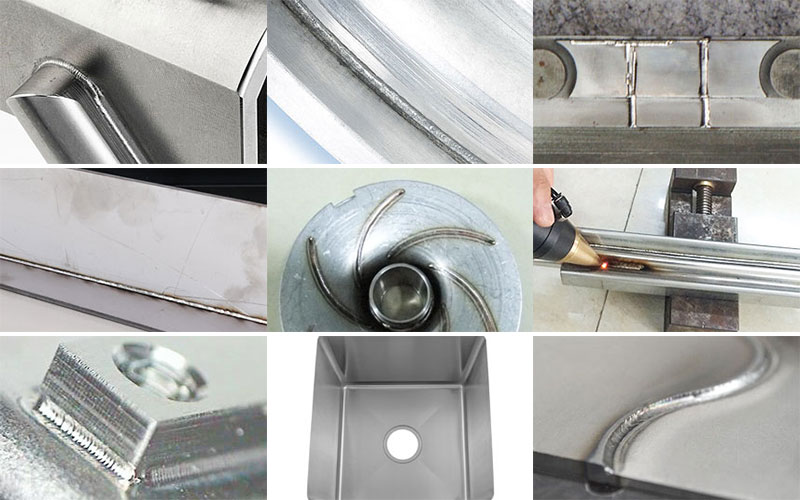
When the material pair is weldable and the process is properly developed, laser welding can offer several potential advantages.
1. Concentrated Heat Input
A focused laser beam can deliver energy to a localized area. This can help limit unnecessary heating of the surrounding material and may reduce distortion compared with some conventional welding processes.
The actual heat-affected zone depends on the material, thickness, joint design, beam characteristics and process settings. Low heat input should not be interpreted as zero distortion or guaranteed defect-free welding.
2. Precise Control of the Welding Area
The laser beam can be directed to a defined joint region. This can be useful when joining small parts, narrow seams or components with limited access.
For dissimilar materials, beam positioning can also be an important part of process development. The appropriate position may depend on which material needs more energy absorption or how much of each material should enter the weld pool.
The correct approach must be established through suitable engineering analysis and sample testing.
3. Potential for High Production Throughput
Laser welding can support fast processing in suitable applications, particularly when the parts can be positioned consistently and the process is well established.
The overall production cycle still includes loading, fixturing, alignment, inspection and unloading. Therefore, productivity should be evaluated using representative parts and realistic production conditions rather than a headline welding-speed figure alone.
4. Repeatability and Automation
A properly configured laser welding system can be integrated with programmable motion, fixtures and automated handling equipment.
Automation may help maintain consistent movement and processing conditions across repeated parts. However, reliable results depend on stable material preparation, correct positioning, process monitoring and maintenance.
5. Joining Materials with Different Functional Properties
Some products combine materials to use their different properties. For example, a design may use one material for electrical conductivity and another for weight, strength or structural requirements.
Laser welding can be considered for selected dissimilar material joints when a suitable procedure can be established. The joint must still meet the required strength, electrical performance, corrosion resistance and service-life requirements.
Common Applications of Dissimilar Metal Laser Welding
Aluminum and Copper Connections
Aluminum and copper are used in electrical and energy-related components because of their different material properties. Joining them can be challenging because of their thermal behavior, reflectivity and tendency to form brittle intermetallic compounds.
Laser-based joining methods have been investigated for electrical connections and battery-related applications. However, the appropriate process depends on the joint geometry, material grades, thicknesses and required electrical and mechanical performance.
Do not assume that a handheld laser welding machine can reliably join every aluminum-to-copper combination without process development. Confirm the suitability of the exact material pair through engineering evaluation and testing.
Aluminum and Steel Components
Aluminum and steel can be combined in products where weight, strength or functional requirements differ across the structure. Welding them together can be difficult because of differences in physical and metallurgical properties.
The welding method may need to manage the mixing of the two materials and the formation of intermetallic compounds. Joint configuration and the amount of each material entering the weld are important considerations.
The appropriate process should be chosen according to the final joint requirements, not simply because the laser machine can process each material separately.
Titanium and Other Metal Alloys
Some titanium-containing dissimilar material combinations are evaluated in aerospace, engineering and specialist manufacturing applications. Their suitability depends on alloy composition, joint requirements and the ability to control the welding process.
Material compatibility, shielding requirements and the expected service conditions should be reviewed before choosing a production process.
Industrial Components and Multi-Material Assemblies
Certain industrial products use more than one metal to meet different design requirements. Laser welding may be considered for selected brackets, connectors, housings and other assemblies when a reliable joint can be developed.
For load-bearing, electrical or safety-critical parts, the process should be qualified against the relevant acceptance criteria before production begins.
How to Evaluate Whether Two Metals Can Be Laser Welded
Before selecting a machine, establish the requirements of the actual joint.
1. Identify Both Materials Precisely
Record the material grade, alloy designation, thickness and surface condition of each workpiece. General labels such as “steel” or “aluminum” are not enough for detailed process planning.
Different grades within the same material family can have different welding behavior. Coatings and surface treatments may also affect the process.
2. Define the Joint Geometry
Identify whether the joint is a butt joint, lap joint or another configuration. Record the fit-up, gap, thickness variation and positioning requirements.
The joint geometry affects where the laser energy is delivered and how the two materials interact in the molten region.
3. Establish the Required Joint Performance
Define what the finished weld needs to achieve. Depending on the application, requirements may include tensile strength, shear strength, electrical resistance, fatigue performance, leak tightness, corrosion resistance or dimensional accuracy.
These requirements determine which test methods and acceptance criteria are appropriate.
4. Select a Suitable Welding Process
Depending on the material pair and machine configuration, process-development options may include changes in beam position, beam movement, laser parameters, shielding, filler material or an interlayer.
Not every option is required for every joint. A welding engineer or qualified supplier should determine which approach is appropriate for the combination being evaluated.
5. Test Representative Samples
Use the actual material grades, thicknesses, surface conditions and joint configuration whenever possible.
A sample should be examined against the intended requirements. Depending on the application, verification may include visual inspection, dimensional checks, mechanical testing, electrical testing or metallographic examination.
A visually attractive weld alone does not demonstrate that a dissimilar metal joint has adequate strength or long-term reliability.
How to Choose a Laser Welding Machine for Your Application
Machine selection should start with the intended workpiece and welding requirements.
Laser Source and Output Power
Confirm the laser source and available power range for the application. The required configuration depends on the materials, thicknesses, joint design and process method.
Power alone does not determine whether a material pair can be welded reliably. Process compatibility and joint validation remain essential.
Welding Head and Beam Delivery
Review the welding head, focusing arrangement, beam delivery and any beam oscillation or other process features offered with the system.
The required configuration depends on the joint geometry and the process developed for the specific materials. Confirm which options are included in the quotation and which are optional.
Wire Feeding and Workpiece Fixtures
Some welding applications use filler wire, while others are developed without additional filler material. The decision depends on joint design, fit-up, weld composition and process requirements.
Fixtures are also important because they help maintain consistent positioning and joint alignment. If the parts have tight tolerances or complex shapes, include these requirements when evaluating the machine.
Control System and Operator Training
Confirm that the machine’s controls support the required process adjustments and that operators can follow the approved settings and safety procedures.
Training, maintenance guidance, replacement parts and technical support should also be reviewed before purchase.
Safety Requirements
Laser welding requires suitable protective measures for the laser system and the work environment. Confirm enclosure or work-area arrangements, appropriate laser protection, fume extraction where required, and the operating procedures specified by the machine manufacturer.
Safety requirements depend on the equipment, installation and process. They should be addressed before commissioning rather than after production starts.
How to Test a Dissimilar Metal Weld Before Production
A structured validation process helps establish whether the selected method can meet the requirements of the joint.
Start with representative material samples and the intended joint geometry. Record the material grades, thicknesses, surface preparation, machine configuration and processing conditions.
Then evaluate the weld against the agreed acceptance criteria:
- Weld appearance: Check for visible defects and unacceptable surface irregularities.
- Joint dimensions: Confirm the weld size and component geometry where required.
- Mechanical properties: Use appropriate tests when strength or durability matters.
- Internal quality: Select suitable inspection methods when internal defects could affect performance.
- Functional performance: Verify electrical, sealing or other application-specific requirements where relevant.
Record the test results and process conditions. If the joint does not meet the requirements, revise the procedure and retest before releasing it for production.
The level of testing should reflect the intended service conditions and the consequences of joint failure.
Explore Reaying Laser Welding Machines
Reaying offers handheld fiber laser welding equipment for metal fabrication and related industrial applications. The appropriate machine configuration depends on the workpiece, welding method, material thickness and production requirements.
For an example of a handheld welding system, review the RY-LW1000 handheld fiber laser welding machine. You can also explore the RY-5IN1 handheld fiber laser welding machine for a system that integrates several metal-processing functions.
These product pages describe machine configurations and general metal-welding applications. They do not establish that every dissimilar metal pair can be welded with the listed machine. Before purchasing equipment for a mixed-metal joint, provide both material grades, thicknesses, joint geometry and the required weld performance to the supplier, and request a suitable feasibility assessment or sample test.
You can review the wider Reaying product range to compare available equipment.
Frequently Asked Questions
Can a laser welding machine weld different metals?
Some dissimilar metal combinations can be laser welded, but not all combinations are suitable for direct fusion welding. Material compatibility, joint geometry, intermetallic formation and required performance must be evaluated for the specific application.
What makes dissimilar metal laser welding difficult?
Differences in melting temperature, thermal conductivity, thermal expansion and chemical compatibility can affect weld formation. Brittle intermetallic compounds, cracking and porosity may also reduce joint quality.
Does laser welding eliminate the heat-affected zone?
No. Laser welding can provide concentrated heat input and may limit the heat-affected zone compared with some other welding processes, but it does not eliminate thermal effects entirely. The result depends on the material and process conditions.
Can a handheld laser welding machine weld aluminum to copper?
The suitability depends on the exact aluminum and copper grades, thicknesses, joint design, machine configuration and process settings. Do not assume that a machine capable of welding aluminum and copper individually can reliably weld them together. Test the exact joint and evaluate the required performance.
Is laser welding always faster than conventional welding?
Not in every application. Laser welding can provide high throughput in suitable conditions, but actual production speed depends on joint geometry, material preparation, fixturing, inspection and the required weld quality. Compare complete production cycles when evaluating alternatives.
What information should I provide before requesting a quotation?
Provide both material grades, workpiece thicknesses, joint design, target weld dimensions, required mechanical or functional performance, expected production volume and any relevant surface coatings. Representative drawings and sample parts will help the supplier assess the application.
Discuss Your Laser Welding Application with Reaying
The potential advantages of laser welding depend on the material combination, joint design and quality requirements. For dissimilar metal welding, confirming compatibility and validating the process are just as important as selecting the machine.
Prepare your material specifications, joint drawings and performance requirements before requesting a recommendation. Contact Reaying to discuss a suitable welding configuration and confirm whether a sample test is appropriate for your application.
Need Help!!!
Categories
Recent Post

Tag Cloud
About Reaying
Shandong Reaying Machinery Co., Ltd. is one of the leading laser machine manufacturers around the world since 2008 with a registered capital of 3 million yuan. It is a high-tech enterprise focusing on R&D...
Read More